
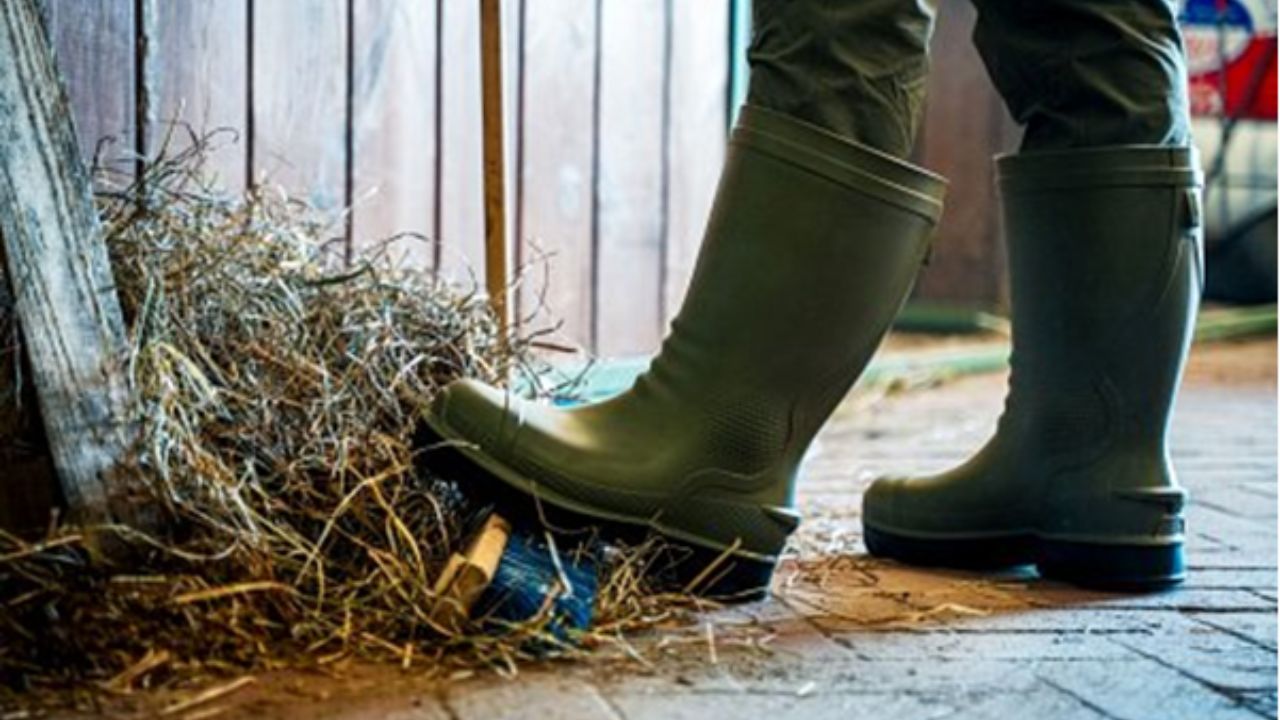
Selecting the right work boots is not just about comfort it directly impacts safety, efficiency, and long-term performance. Whether you operate in agriculture, food processing, logistics, or outdoor industries, choosing the correct footwear can reduce fatigue, improve productivity, and minimize workplace risks.
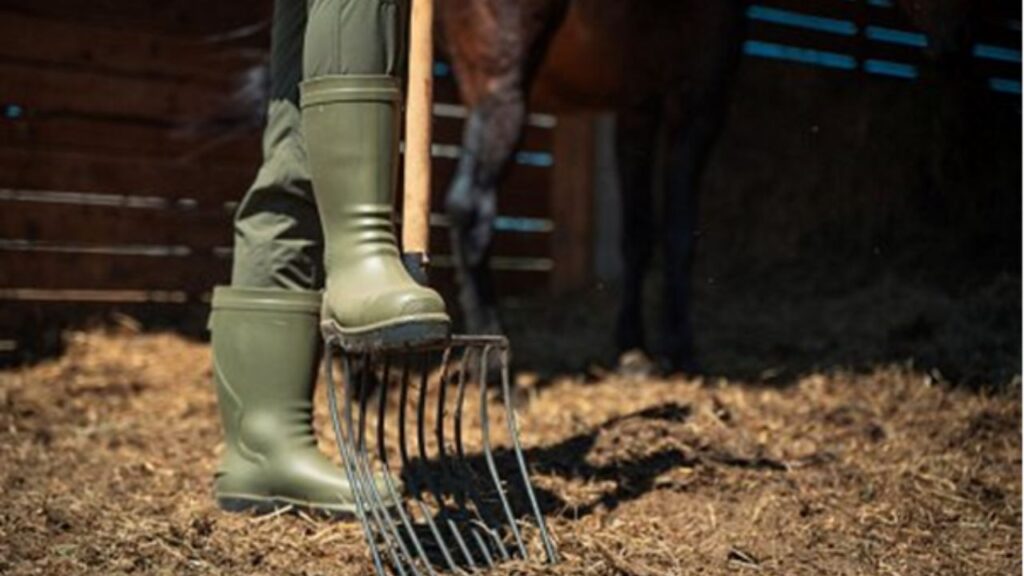
Modern EVA (Ethylene Vinyl Acetate) footwear has become a preferred solution for professionals who require lightweight, waterproof, and durable boots adapted to demanding environments. This guide explains how to choose the right EVA wellington boots depending on your industry and working conditions.
What makes EVA wellington boots different?
EVA footwear stands out due to its unique material properties. Unlike traditional rubber or PVC boots, EVA boots are significantly lighter – often up to 40–50% lighter – which reduces strain during long working hours.
Key advantages include:
- full waterproof protection
- thermal insulation in cold environments
- flexibility and shock absorption
- resistance to intensive daily use
- easy cleaning and maintenance
Because of these features, EVA boots are widely used in industries where workers spend hours standing, walking, or operating in wet and challenging conditions.
If you want to explore how EVA footwear is manufactured and applied in professional environments, you can learn more from a specialized Camminare Boots manufacturer of EVA boots.
How to choose EVA boots for specific applications
The most important factor when selecting work boots is their intended use. Different industries require different safety features, levels of protection, and comfort.
Food Industry & Processing
In food production environments, hygiene and safety are critical. Footwear must be:
- easy to clean and disinfect
- slip-resistant on wet surfaces
- compliant with safety standards
Look for white safety wellies with protective toe caps for the food industry manufacturer and certified safety classes such as EN ISO 20345:2022 S4 or SB. White EVA boots are commonly used due to hygiene visibility.

Agriculture & Farming
Agricultural work exposes footwear to mud, water, temperature fluctuations, and long hours of physical activity.
Recommended features:
• Good grip on slippery terrain
• Thermal insulation in low temperatures
• Lightweight construction to reduce fatigue
The manufacturer’s EVA agricultural safety boots are particularly effective here, combining insulation with flexibility, making them suitable for both field work and animal husbandry.

Safety footwear for industrial use
In industrial environments, choosing certified safety footwear is essential. Depending on the risks involved, boots should provide:
- toe protection (200J impact resistance)
- anti-penetration soles
- slip resistance
- oil and chemical resistance
Look for classifications such as S4 or S5 under EN ISO 20345:2022, ensuring compliance with workplace safety regulations.
For B2B buyers, selecting a reliable manufacturer guarantees not only compliance but also consistency across large production batches.

Fishing & outdoor activities
Fishing and outdoor work require footwear that performs reliably in wet, unstable, and often cold environments.
Important features include:
- non-slip soles for wet surfaces
- water resistance and easy cleaning
- comfort during long stationary periods
EVA boots provide excellent performance in these conditions, especially when combined with thermal liners for colder climates.
How to extend the lifespan of EVA boots
Proper maintenance significantly increases the durability of EVA footwear.
Best practices:
- clean boots after each use
- rinse with water and remove dirt or chemicals
- dry at room temperature (avoid direct heat sources)
- remove liners and dry them separately
Thanks to the structure of EVA foam, maintenance is simple and does not require specialized products.
Understanding types of protective footwear
Professional footwear is categorized not only by design but also by the level of protection it offers.
By construction:
- low shoes
- ankle boots
- mid-calf boots
- knee-high boots
- extended upper boots
By protection level:
- Safety footwear (S) – includes toe protection
- Protective footwear (P) – lower protection level
- Occupational footwear (O) – basic work footwear without toe cap
Understanding these categories helps businesses choose footwear aligned with workplace risks and regulatory requirements.
Choosing the right supplier matters
For distributors, wholesalers, and procurement managers, selecting the right footwear supplier is just as important as choosing the product itself.
A reliable manufacturer should offer:
- consistent product quality
- compliance with international standards
- the ability to scale production
- sample testing before bulk orders
- flexibility for private label or custom production
Choosing the right partner ensures long-term cooperation and reduces operational risks.
Final thoughts: match footwear to the job, not just the price
The right EVA wellington boots are an investment in safety, comfort, and efficiency. Instead of focusing solely on price, businesses should prioritize durability, compliance, and suitability for specific working conditions.
Well-selected footwear not only improves working conditions but also reduces long-term costs related to employee fatigue, injuries, and product replacements.
Looking for EVA boots tailored to your industry or distribution needs?
Work with a manufacturer that understands B2B requirements, offers scalable production, and supports you with expert guidance at every stage.
Also Read: IVG Reload Pods Reviews