
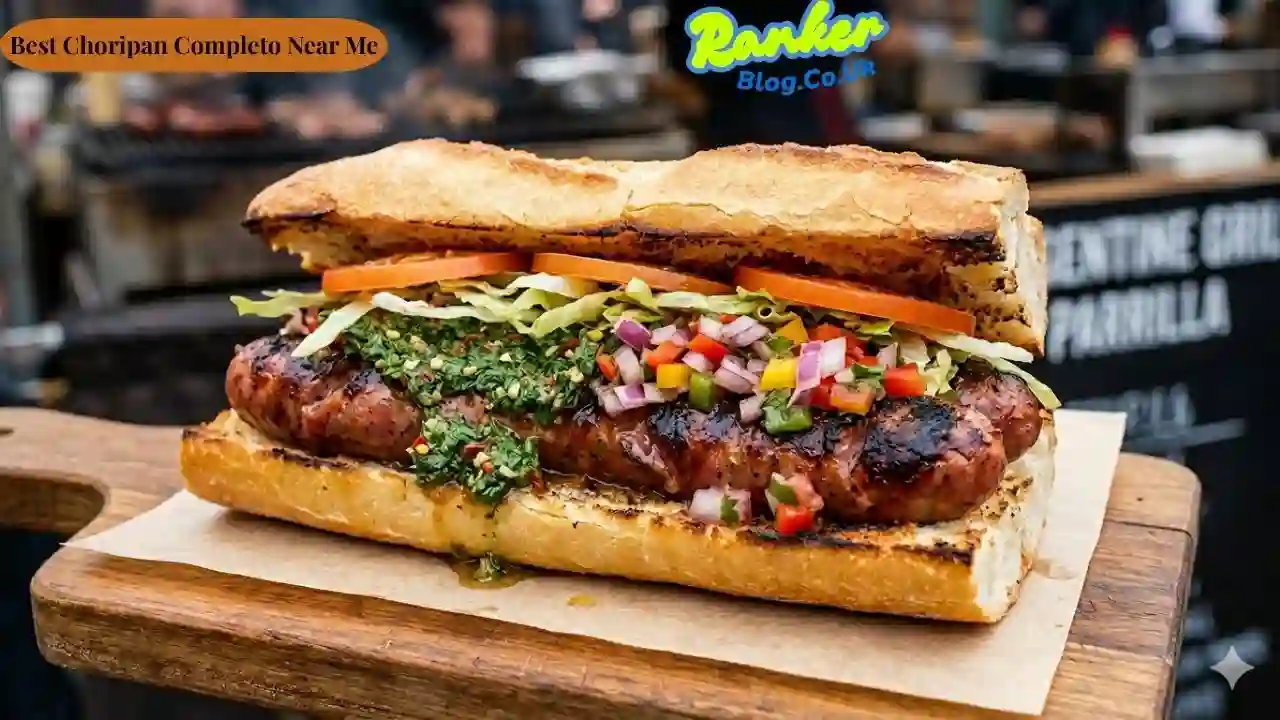
Picture this — the smell of smoky, sizzling chorizo hitting a hot grill, a golden crusty roll crisping up right beside it, and a fresh jar of chimichurri waiting to tie it all together. That first bite is everything: juicy, charred, herby, and deeply satisfying. That is the magic of choripan completo, and once someone has tried it, they never stop looking for the next great one.
Choripan completo is a fully loaded version of Argentina’s most beloved street sandwich — grilled chorizo sausage tucked inside crispy bread, topped with bold sauces and extra fillings that take the whole experience up a level. The challenge, for many food lovers outside of Buenos Aires, is finding a version that actually does it justice. This guide covers exactly what choripan completo is, what separates a great one from a forgettable one, and how to track down the best choripan completo near me in any city.
What Is Choripan and Where Did It Come From?
The name “choripan” is a portmanteau — a blend of two simple Spanish words: chorizo (sausage) and pan (bread). At its most traditional, it is a grilled chorizo, often a seasoned pork and beef blend, split butterfly-style and served in a crusty baguette-style roll. Simple in concept, extraordinary in execution.
Its roots go deep. Choripan traces its origins to colonial South America, when Spanish settlers introduced cattle, pigs, and sausage-making traditions to the region. The dish found its true home in Argentina, where the asado — the art of open-fire grilling — became a cornerstone of cultural identity. From gaucho cookfires on the pampas to street carts lining Buenos Aires sidewalks, choripan grew into one of the country’s most iconic foods.
It did not stay in Argentina for long. Food travelers, social media, and the global appetite for authentic street food helped choripan spread across South America and eventually reach cities around the world. Today, searching for the best choripan completo near me is not just for Buenos Aires locals — it is a quest food enthusiasts everywhere are taking seriously.
Choripan vs. Choripan Completo — What’s the Difference?
Here is where things get a little more interesting. A standard choripan is the classic: sausage, bread, and sauce. Completo signals something fuller — a more loaded version of the sandwich with extra toppings that turn a great snack into a proper meal.
On most menus, completo means the addition of toppings like cheese, lettuce, tomato, mayonnaise, salsa criolla, or even a side of fries. Some spots use the term for anything with cheese added; others reserve it for a full topping spread. There is no single universal standard for what “completo” includes, which means the menu details always matter more than the label alone.
The best advice? Never assume. Always check what specific toppings a restaurant includes when they use the word completo. Two places can call something the same name and serve very different sandwiches, and knowing that upfront saves a lot of disappointment at the counter.
What Goes Into the Best Choripan Completo?
Quality choripan completo comes down to a handful of core components. Each one matters, and when they all come together correctly, the result is something genuinely special.
The Chorizo
Everything starts with the sausage. Authentic Argentine choripan is built around chorizo that is grilled hot, charred on the outside, and still juicy at the center. That contrast — crispy casing, tender meat — is the signature texture that makes the sandwich work.
Regional differences also play a role. In Buenos Aires, the most common chorizo is a beef-and-pork blend, seasoned with paprika, garlic, and herbs. In smaller towns closer to the Argentine countryside, pork-only criollo chorizos are more traditional. Both styles can make an excellent sandwich, but the key is always the grill. No amount of toppings can rescue a poorly cooked sausage.
The Bread
Bread is not an afterthought here — it is half the sandwich. The traditional roll is crusty on the outside and soft enough on the inside to absorb the sauces without turning soggy. A baguette-style roll is the most common choice.
In Córdoba, Argentina, many cooks toast the bread directly on the grill before assembling the sandwich, which adds a layer of smokiness and crunch that pairs beautifully with the charred sausage. That small step makes a big difference. Whatever the style, the bread must hold up — a roll that falls apart under the weight of toppings and sauce is a structural failure that ruins the experience.
The Sauces
A choripan without chimichurri is like a burger without ketchup — technically possible, but why would anyone do it? Chimichurri, a fresh sauce made from parsley, garlic, oregano, red wine vinegar, and olive oil, is the classic companion for choripan and brings brightness to every bite.
Salsa criolla is the other essential sauce — a light, zesty mix of diced onion, tomato, bell pepper, and vinegar. It adds freshness and a gentle sharpness that cuts through the richness of the sausage fat. When a restaurant offers both chimichurri and salsa criolla, that is usually a strong sign they know what they are doing. If only bottled condiments appear on the table, manage expectations accordingly.
The Toppings (Completo Style)
This is where the sandwich gets its character. Toppings completely transform the flavor profile of a choripan. Grilled onions bring a smoky sweetness. Sliced peppers add color and freshness. Melted cheese creates a rich, creamy layer over the hot sausage. Spicy sauces push the heat for those who want it.
Some spots in Buenos Aires take it further with grilled provoleta — a thick slice of Argentine provolone melted directly on the grill, served on top with arugula and sun-dried tomatoes. In Patagonia, variations featuring mutton chorizo topped with lettuce, tomato, and scrambled eggs show just how creative the completo format can get. The toppings are where personality enters the sandwich, and the best spots use them thoughtfully rather than just piling everything on.
How to Find the Best Choripan Completo Near Me
Knowing what a great choripan completo looks like is one thing. Actually finding one nearby takes a bit of strategy.
Use the Right Search Tools
Google Maps, Yelp, and TripAdvisor are the three most reliable starting points. Search terms like “choripan,” “Argentine restaurant,” “South American grill,” or “Latin street food” tend to surface the most relevant options. Once results come up, filter by rating, distance, and recency of reviews. A restaurant with 500 reviews averaging 4.5 stars is a much safer bet than one with three reviews from three years ago.
It also helps to look at photos. Food photos uploaded by real customers — not the restaurant’s own marketing shots — give a much clearer sense of what the actual product looks like on the plate.
What to Look for in a Good Spot
The best choripan completo spots share a few reliable characteristics. They tend to have focused menus rather than trying to be everything to everyone. A restaurant that does ten things well is almost always better than one doing fifty things adequately. A visible grill or open kitchen is another excellent sign — it means the food is being cooked fresh and the staff is proud of the process.
Steady customer traffic matters too. Consistent demand means regular turnover of ingredients, which means fresher food. Fresh grilling smells when walking in are one of the best real-world indicators of quality — if the air smells like live fire and seasoned meat, that is usually the right place.
Street vendors and small family-run stalls also deserve serious consideration. They often produce more authentic choripan because their entire operation is built around one thing: getting that sandwich right. Many work from family recipes passed down through generations, and that kind of focused, personal investment tends to show up clearly in the food.
How to Read Reviews Like a Pro
Not all reviews are equally useful. The most informative ones mention specific details — the quality of the grill marks on the sausage, whether the bread held together, and how well the toppings were balanced. Reviews that praise fresh chimichurri, proper char, and good texture are green flags. Reviews that mention dry sausage, stale bread, or sauces that taste like they came from a bottle are red flags worth taking seriously.
Ignore reviews that only comment on parking or wait times. For choripan specifically, the sandwich itself is the only thing that matters.
Warning Signs of a Bad Choripan Completo
Even with research, it is possible to end up somewhere disappointing. Here are the warning signs to watch for before ordering:
Sausage sitting under a heat lamp rather than on a live grill is a dealbreaker. Choripan depends entirely on fresh, hot grilling — a heat lamp strips the texture and flavor that make the sandwich worth eating. Soggy bread is another instant red flag, usually a sign that the roll sat too long before being served. Pre-bottled chimichurri or generic condiment packets instead of house-made sauce suggest the kitchen is cutting corners. A restaurant with no visible grill or open cooking area makes it impossible to verify how food is being prepared. And a review profile that is sparse or outdated raises legitimate questions about consistency.
How Choripan Completo Varies Around the World
One of the most interesting things about choripan completo is how different cultures have made it their own. The Argentine original — chimichurri, salsa criolla, beef-pork chorizo in crusty bread — is the benchmark. But regional variations across South America each bring something worth knowing about.
In Chile, avocado (called palta locally) and mayonnaise are common additions, giving the sandwich a creamier, richer finish. In Uruguay, the style is close to Argentine but with slightly different spicing in the chorizo itself. Brazil, Perú, and other South American countries each have their own spin, adapting the formula to local ingredients and tastes.
In the United States, choripan completo has found its way into gourmet restaurant menus and food trucks, often with fusion upgrades — arugula, blue cheese, fried eggs, or house-made aioli replacing the more traditional toppings. These versions can be excellent in their own right, though they sit further from the Argentine original. Knowing the difference helps set the right expectations when ordering.
Can’t Find One Nearby? Make Choripan Completo at Home
Sometimes the best choripan completo near me turns out to be the one made at home. If local options are limited or disappointing, building one from scratch is genuinely worth the effort — and the backyard grill is the ideal setting.
The approach is straightforward. Start with quality fresh chorizo from a Latin butcher or specialty grocer. Score it butterfly-style down the middle so it opens up and gets maximum contact with the grill grates. Cook it hot until the casing crisps and the inside reaches full doneness. While the sausage rests, toast the roll cut-side-down on the grill for 60 to 90 seconds. Make chimichurri fresh — it takes five minutes and tastes nothing like the jarred version. Assemble with salsa criolla, preferred toppings, and serve immediately.
The smoky smell, the sizzle, the charred exterior — those sensory cues are not just atmosphere. They are the result of proper technique, and getting them right at home is entirely achievable with a little practice.
Frequently Asked Questions
What is the difference between choripan and a hot dog?
The two may look similar at a glance, but they are very different in almost every way. Choripan uses a seasoned, coarse-ground pork or beef chorizo grilled fresh over fire, served in a crusty roll with bold house-made sauces. A hot dog is a finely emulsified, pre-cooked sausage typically served in a soft bun with simple condiments. The flavor profiles, textures, and cultural contexts are entirely distinct.
Is choripan completo spicy?
Generally, no. Traditional choripan completo is savory and herbaceous rather than hot. The heat level is usually optional — spicy sauces or peppers can be added for those who want them, but the base sandwich is mild enough for most palates.
What does “completo” mean on a menu?
It signals a fully loaded version of the sandwich with extra toppings beyond the basic sausage and sauce. The exact toppings vary by restaurant, so it is always worth checking the menu description before ordering.
What is the best sauce for choripan?
Chimichurri is the classic and essential choice — parsley, garlic, vinegar, and olive oil in a fresh, vibrant blend. Salsa criolla runs a close second and pairs exceptionally well alongside chimichurri. Together, they are the traditional combination that defines authentic Argentine choripan.
Where can I find choripan near me?
Start with Google Maps, Yelp, or TripAdvisor and search for Argentine restaurants, South American grills, or Latin street food vendors in the area. Food halls and Latin markets are also worth exploring, as smaller vendors there often produce some of the most authentic versions available.
Wrapping It Up
A great choripan completo is built on fresh chorizo, proper grilling, sturdy bread, house-made chimichurri, and thoughtful toppings — nothing complicated, but nothing cut-rate either. The best spots keep things focused, cook with real fire, and respect the Argentine tradition that made this sandwich famous.
Whether it is an Argentine restaurant downtown, a street vendor at a weekend market, or a small family-run Latin spot that does not even advertise online, the next great choripan is worth hunting for. Search for the best choripan completo near me on Google Maps or Yelp, use this guide to evaluate the options, and go find a winner.
Also Read: Best Pollo al Chilindron Near Me How to Find Authentic Spanish Flavor Locally