
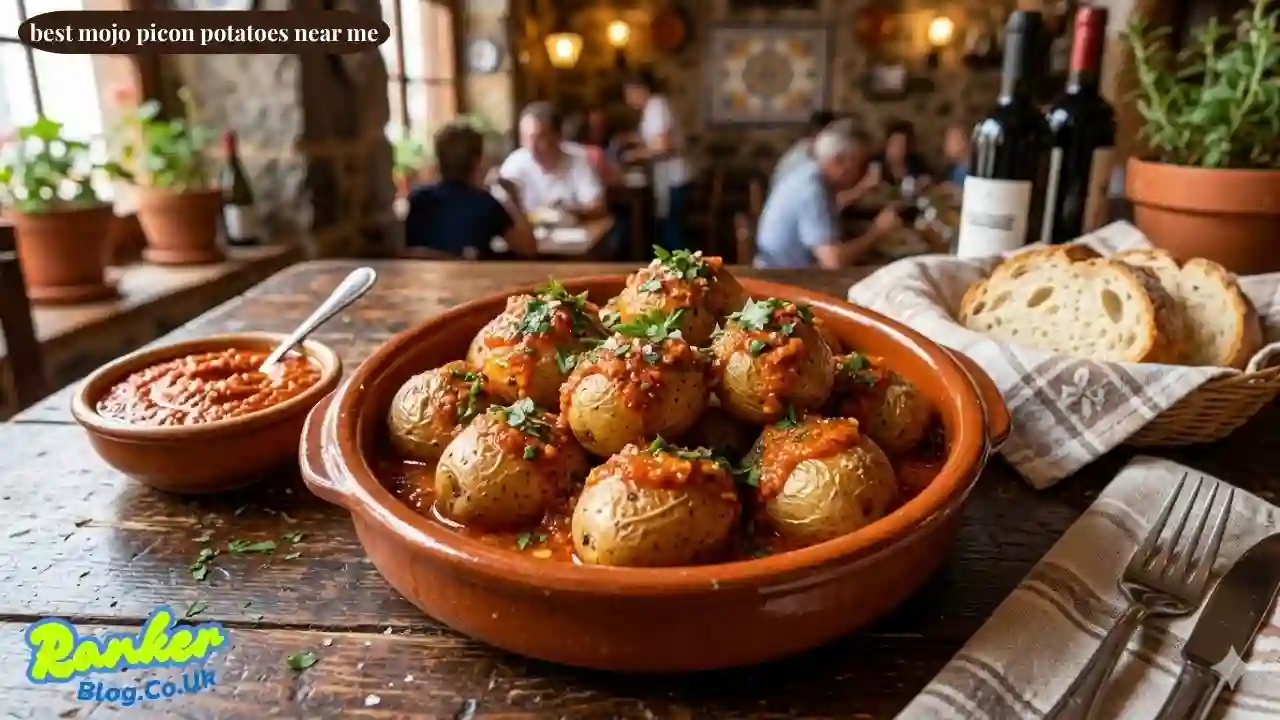
There are some dishes that seem simple on the surface but deliver something truly memorable once they hit the table. Mojo picon potatoes are exactly that kind of dish. Humble in appearance, bold in flavor, and deeply rooted in Spanish island culture, this is the kind of food that keeps people coming back for more. If someone has been searching for the best mojo picon potatoes near me, this guide is going to walk them through everything — what the dish actually is, what separates a great version from a mediocre one, and exactly how to track down the real thing in their area.
What Are Mojo Picon Potatoes?
At its core, the dish is beautifully straightforward. Small, waxy potatoes — known in Spanish as papas arrugadas, which translates to “wrinkled potatoes” — are boiled in heavily salted water until the liquid evaporates and the skins shrivel into a characteristic crinkled texture. The result is a potato that is soft and fluffy on the inside, slightly salty on the outside, and perfectly designed for dipping.
The real star of the plate, though, is the mojo picón sauce. This is a thick, deeply red condiment made from garlic, sweet and hot paprika, dried peppers, cumin, olive oil, and a splash of wine vinegar. The flavor profile hits several notes at once — smoky, garlicky, tangy, with a gentle heat that builds slowly. It is bold without being aggressive, and it clings to the potatoes in a way that makes every bite feel satisfying.
One thing worth noting for people with dietary restrictions: this dish is naturally vegan and gluten-free in its traditional form, which makes it a great option for a wide range of diners.
The Origins of Mojo Picon Potatoes
It is a common misconception that this dish comes from mainland Spain. Mojo picón potatoes actually originate from the Canary Islands, an autonomous Spanish archipelago located off the northwest coast of Africa. The islands have their own distinct food culture, and mojo sauces are at the heart of it.
Papas arrugadas became a staple of everyday Canarian cooking generations ago. The islands had access to small, flavorful local potato varieties and an abundance of sea salt, and the combination produced a cooking method that was as practical as it was delicious. Over time, mojo sauces evolved into several varieties — green mojo (mojo verde) typically accompanying fish, and red mojo (mojo rojo and mojo picón) pairing with potatoes, meat, and rice dishes.
As Spanish cuisine gained international recognition and tapas culture spread to cities around the world, papas arrugadas con mojo picón traveled with it. Today, the dish appears on tapas menus far beyond the Canary Islands, from Madrid to London to New York. Its appeal is easy to understand — it is communal, shareable, unpretentious, and packed with flavor. It fits naturally into the social rhythm of tapas dining, where small dishes are meant to be passed around and enjoyed together.
What Makes the Best Mojo Picon Potatoes?
Not every version of this dish lives up to its potential. There are a few clear markers that separate an excellent plate from one that misses the mark.
Starting with the potatoes: the best versions use small, waxy varieties that hold their shape during boiling and develop that signature wrinkled skin. A visible white salt crust on the outside is actually a good sign — it means the cooking method was done properly, with enough salt in the water to leave a light residue as it evaporates. The inside should be tender and creamy, not dry or starchy.
The sauce is where things get even more specific. Authentic mojo picón should have a thick texture and a deep, rich red color. If the sauce looks pale, watery, or orange-tinted, it likely lacks the proper balance of paprika and dried peppers, or it has been diluted. Freshly made mojo has a distinct aroma — raw garlic and toasted cumin are immediately noticeable. Jarred versions, while convenient, tend to lack that freshness and immediacy of smell and flavor.
One of the most important details is how the sauce is served. It should come on the side, or be poured over the potatoes right before eating. When sauce is added too early, it soaks into the skin and softens the exterior, losing that pleasant slight firmness that makes the texture so enjoyable. A restaurant that serves the sauce separately is demonstrating that it understands the dish.
Finally, balance matters. There should be enough sauce for generous dipping without drowning the potatoes entirely. The potatoes need to stay the foundation of the plate.
Where to Find the Best Mojo Picon Potatoes Near You
For anyone actively searching for the best mojo picon potatoes near me, the type of restaurant matters a great deal.
Spanish tapas bars are the most reliable starting point. These venues are built around small, shareable plates, and papas arrugadas is a natural fit for that format. A well-run tapas bar will often list the dish under starters or alongside other traditional bites, and the kitchen is likely familiar with making the sauce from scratch.
Restaurants that specialize in Canary Islands cuisine are rarer but offer the most authentic experience. In cities with larger Spanish communities — places like New York, Miami, London, Sydney, or Paris — these establishments do exist, and they are worth seeking out specifically.
Latin and Mediterranean restaurants that lean toward small plates are also worth exploring, as many incorporate elements of Spanish coastal cooking into their menus. Spanish delicatessens are another option worth considering, particularly for those who want to experiment at home — many stock jarred mojo picón along with the small waxy potatoes best suited for the recipe.
How to Search and Evaluate Restaurants Near You
When doing an online search, going beyond the generic “Spanish restaurant” query will return better results. On Google Maps or Yelp, searching for “papas arrugadas,” “Canary Islands restaurant,” or “Spanish tapas” will filter toward places more likely to serve the dish authentically. Checking the menu photos in Google listings before visiting saves time and avoids disappointment.
In reviews, certain phrases signal a quality experience: mentions of fresh sauce, properly wrinkled skin, bold garlic flavor, or comparisons to eating the dish in Spain or the Canary Islands. Recent reviews carry more weight than older ones, since kitchen staff and ownership can change.
Signs of a quality kitchen go beyond just the potato dish. Restaurants that do simple things well — good croquettes, properly grilled seafood, well-seasoned vegetables — tend to handle traditional recipes with care across the board. A focused menu built around Spanish or Canarian flavors is a better indicator of authenticity than a large menu that includes everything.
A few red flags to watch for: sauce that looks thin and orange rather than thick and red, potatoes that arrive already soaked in sauce and sitting in liquid, or menus that never mention mojo picón at all and just describe “potatoes with sauce.” These are signs that the dish has been simplified in ways that reduce its quality.
Mojo Picon Potatoes as Part of a Tapas Experience
This dish works best when it is part of a larger tapas spread rather than eaten in isolation. It pairs naturally with grilled fish, seafood dishes like gambas al ajillo, croquettes, or simply a basket of good bread. The saltiness of the potatoes and the tang of the sauce provide a counterbalance to richer, creamier items on the table.
While mojo picon potatoes are most commonly ordered as a starter or side dish, they can easily hold their own as a light main when paired with a couple of other plates and some good company. The one firm piece of ordering advice: eat them while they are hot. The texture and flavor are at their peak the moment they arrive at the table. Letting them sit causes the skin to lose that pleasant slight firmness and the sauce to cool into something less vibrant.
Can You Make Mojo Picon Potatoes at Home?
For those who cannot find a quality version nearby, making this dish at home is genuinely straightforward. The ingredients are not exotic: small waxy potatoes, garlic, sweet paprika, hot paprika or chili pepper, cumin, olive oil, wine vinegar, and salt. That is essentially the full list.
The potatoes are boiled in generously salted water — far more salt than one would normally use — and left on the heat until the water evaporates and the skins wrinkle. The key is patience and enough salt. For the sauce, traditional recipes call for dried ñora peppers, which can be difficult to source outside Spain. Guajillo or ancho chiles are widely available substitutes that produce excellent results.
The sauce keeps well in a sealed jar in the refrigerator for up to a month. It tends to separate as it sits, so giving it a good stir before serving brings it back together. Made fresh at home, the aroma of raw garlic and toasted cumin is immediate and unmistakable — a clear sign the sauce is doing what it should.
Frequently Asked Questions
What exactly is mojo picon sauce?
Mojo picón is a traditional garlic-based red sauce from the Canary Islands of Spain. It is made from garlic, paprika, dried peppers, cumin, olive oil, and vinegar, and is most famously paired with wrinkled potatoes.
Is mojo picon the same as patatas bravas?
No. While both are Spanish potato dishes served with sauce, they are entirely different. Patatas bravas comes from Madrid, uses fried potatoes, and features a tomato-based or aioli-based sauce. Mojo picon potatoes use the Canarian boiling method and a distinctly different sauce with garlic and cumin at its core.
Are mojo picon potatoes spicy?
The heat level is generally mild to moderate in traditional versions. The spice comes from dried peppers and paprika rather than fresh chili, which means it tends to be warm and building rather than sharp or intense. Many restaurants offer both a spicy and a milder green mojo version alongside.
Can someone buy mojo picon sauce in a store?
Yes. Spanish delicatessens and specialty food retailers often carry jarred versions. Several online Spanish food retailers ship internationally. While jarred sauce is a convenient option, freshly made versions have a noticeably stronger and more complex flavor.
What is the best way to find restaurants serving mojo picon potatoes nearby?
Using Google Maps or Yelp and searching for “papas arrugadas,” “Spanish tapas bar,” or “Canary Islands food” will surface the most relevant results. Checking menus and recent reviews before visiting will help confirm whether the dish is genuinely on offer and made well.
Also Read: Best Choripan Completo Near Me: How to Find Authentic Argentine Flavor in Your City