
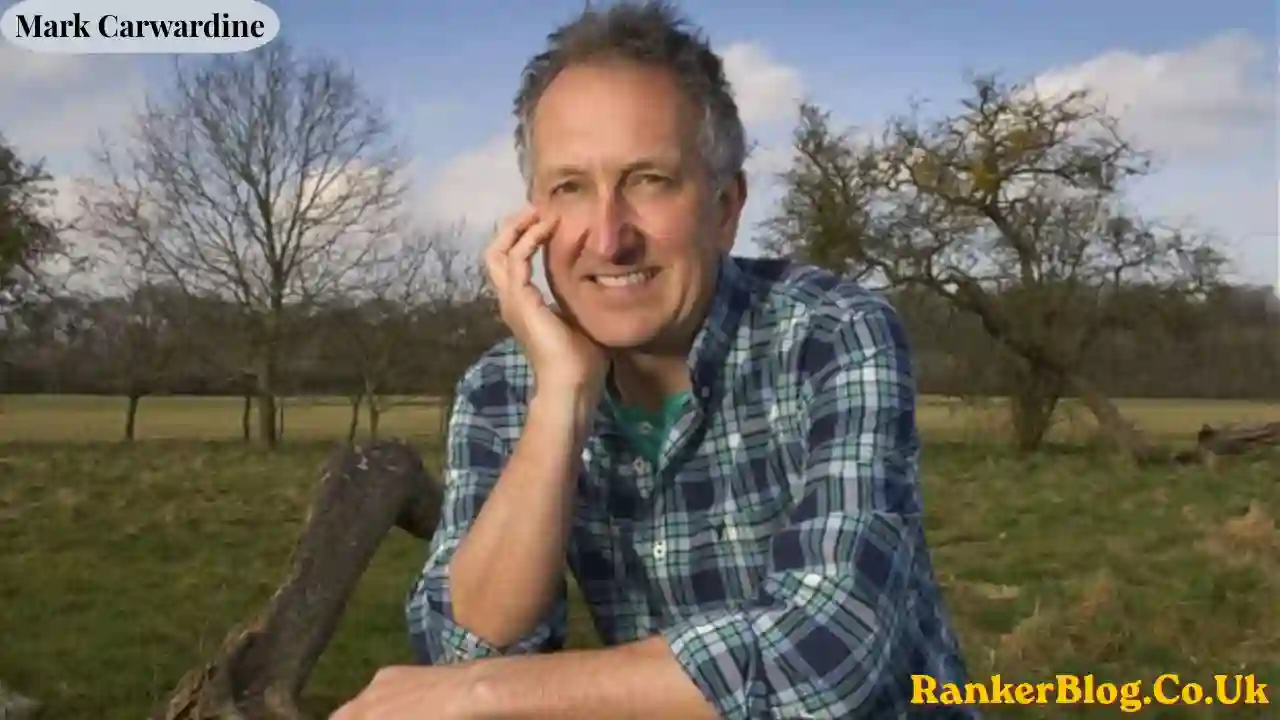
Mark Carwardine is a British zoologist, conservationist, wildlife photographer, author and broadcaster best known for his expertise in whales, dolphins and endangered animals. His collaborations with Douglas Adams and Stephen Fry on Last Chance to See introduced millions of people to the fascinating world of wildlife conservation.
Beyond television and writing, Carwardine has built a career around exploring remote environments, photographing extraordinary animals and encouraging responsible wildlife tourism. His work appeals to anyone who wants to understand the natural world and help protect its future.
From his remarkable wildlife encounters to his books and specialist holidays, there is much to discover about one of Britain’s most recognisable wildlife experts.
Who Is Mark Carwardine?
Mark Carwardine is a British wildlife expert whose career combines zoology, conservation, photography, travel and environmental journalism. He is particularly well known for his knowledge of marine mammals, including whales, dolphins and porpoises.
Unlike many wildlife personalities who specialise in one area, Carwardine works across several disciplines. He uses scientific knowledge, photography, books and broadcasting to explain complex environmental issues in an accessible way.
His ability to combine humour with serious conservation messages has helped make wildlife education appealing to audiences of all ages.
Mark Carwardine Biography and Quick Facts
| Personal details | Information |
|---|---|
| Full name | Mark Carwardine |
| Date of birth | 9 March 1959 |
| Age | 67 years, as of November 2026 |
| Nationality | British |
| Profession | Zoologist, conservationist, photographer, author and broadcaster |
| Specialisation | Wildlife and marine mammals |
| Famous book | Last Chance to See |
| Notable collaborators | Douglas Adams and Stephen Fry |
| Known for | Wildlife conservation and photography |
| Major interests | Whale watching, endangered species and wildlife travel |
Early Life and Interest in Wildlife
Born in 1959, Mark Carwardine developed a professional interest in animals and the natural environment that eventually became the foundation of his career.
His background in zoology helped him understand animal behaviour, biodiversity and the relationships between wildlife and their habitats. Rather than limiting his interests to academic research, he pursued opportunities to communicate his knowledge to the wider public.
His career has taken him to remote islands, tropical forests, polar environments and oceans around the world. These experiences have shaped his understanding of the challenges facing wildlife.
Mark Carwardine’s Professional Career
Carwardine’s professional journey demonstrates how a passion for wildlife can develop into a varied and meaningful career.
Working as a Zoologist and Conservationist
As a zoologist, Carwardine has developed extensive knowledge of wildlife behaviour, species identification and natural habitats. His conservation work has focused particularly on endangered animals and marine mammals.
He has used his public platform to draw attention to environmental threats, including habitat destruction, wildlife exploitation and declining animal populations.
His approach makes conservation relevant to ordinary people rather than presenting it as a subject reserved for scientists.
Becoming a Wildlife Photographer
Wildlife photography is an important part of Carwardine’s professional identity. His photographs capture animals in their natural environments while encouraging audiences to appreciate the diversity of life on Earth.
Photographing wildlife requires patience, preparation and an understanding of animal behaviour. Carwardine’s zoological expertise complements his photographic work, helping him recognise interesting behaviours and meaningful wildlife encounters.
His photography also serves an educational purpose by bringing distant and rarely seen species closer to the public.
Working as an Author and Broadcaster
Carwardine has written numerous wildlife books, including field guides, conservation publications and accounts of his travels.
His broadcasting career has allowed him to reach audiences who might not otherwise read specialist wildlife literature. Through television and radio, he has helped explain why endangered species matter and what can be done to protect them.
Mark Carwardine and Douglas Adams: Last Chance to See
One of the most significant chapters of Carwardine’s career was his collaboration with Douglas Adams, the celebrated British author of The Hitchhiker’s Guide to the Galaxy.
The pair travelled around the world to investigate endangered animals and the environmental challenges threatening their survival.
Their experiences led to the book Last Chance to See, published in 1990. The project also involved a BBC radio series.
The combination of Adams’ distinctive humour and Carwardine’s zoological knowledge created an unusual but effective approach to conservation storytelling.
The Animals Behind Last Chance to See
The project explored several remarkable species, including:
- The kakapo of New Zealand.
- The mountain gorillas of Central Africa.
- The Komodo dragon of Indonesia.
- The northern white rhinoceros.
- The Yangtze River dolphin.
- The Rodrigues fruit bat.
Each animal illustrated a different conservation challenge, from habitat loss to hunting and the introduction of invasive species.
The project helped readers understand that extinction is not simply a scientific concept. It represents the permanent disappearance of an irreplaceable part of the natural world.
Mark Carwardine and Stephen Fry
In 2009, Carwardine returned to the subject of endangered wildlife with British actor, writer and broadcaster Stephen Fry.
Their BBC television series, also titled Last Chance to See, revisited animals and conservation stories explored during the original project with Douglas Adams.
The programme examined how wildlife populations had changed over approximately two decades. Some stories offered reasons for optimism, while others revealed the devastating consequences of continued environmental decline.
The Famous Kakapo Encounter
One of the most memorable moments occurred in New Zealand when a kakapo named Sirocco climbed onto Carwardine’s head and displayed unexpected mating behaviour.
The encounter became widely recognised for its humour and introduced many viewers to the kakapo, a critically endangered, flightless parrot.
Behind the amusing footage was an important conservation message. The kakapo’s survival depends heavily on carefully managed breeding programmes, habitat protection and predator control.
The scene demonstrated how an entertaining wildlife encounter could generate genuine interest in an endangered species.
Mark Carwardine’s Wildlife Photography
Carwardine’s photographic work reflects his fascination with animals, particularly marine wildlife and species living in remote environments.
His approach illustrates the importance of understanding the subject rather than relying entirely on expensive camera equipment.
Wildlife photography can involve unpredictable weather, challenging lighting, long periods of waiting and animals that rarely behave as expected.
Photographing Whales and Dolphins
Marine mammals are among Carwardine’s best-known photographic subjects. Photographing these animals presents challenges because their movements are unpredictable and much of their behaviour takes place underwater.
Successful whale photography often requires knowledge of surfacing patterns, feeding behaviour and environmental conditions.
However, obtaining an impressive photograph should never come at the expense of an animal’s welfare. Responsible photographers maintain appropriate distances and avoid interfering with natural behaviour.
Wildlife Photography Tips Inspired by Conservation Principles
Anyone interested in developing their wildlife photography skills can benefit from a few practical principles:
- Research the species and its behaviour before travelling.
- Use a telephoto lens to photograph animals from a respectful distance.
- Avoid disturbing nests, breeding sites and feeding areas.
- Remain patient instead of attempting to attract animals artificially.
- Follow local wildlife protection regulations.
- Prioritise the animal’s safety over getting the perfect photograph.
These practices make wildlife photography more responsible while often producing more authentic images.
Mark Carwardine Holidays: Wildlife Tours and Photography Experiences
People searching for Mark Carwardine holidays are generally interested in wildlife-focused travel, whale-watching expeditions and opportunities to experience nature alongside an experienced wildlife specialist.
Carwardine has been associated with specialist wildlife tours and photographic holidays that reflect his interests in conservation and animal behaviour.
These experiences differ from conventional sightseeing holidays because wildlife observation and environmental education are central to the journey.
What Can You Expect From a Wildlife Holiday?
A specialist wildlife holiday may combine guided animal encounters, photography opportunities and educational discussions about the local environment.
Depending on the itinerary, travellers may spend time aboard boats, visiting protected natural areas or observing wildlife from carefully selected locations.
Expert guidance can help participants recognise species, understand animal behaviour and appreciate the importance of conservation.
| Holiday experience | Main attractions | Ideal for |
|---|---|---|
| Whale-watching holidays | Whales, dolphins and marine wildlife | Marine wildlife enthusiasts |
| Wildlife photography tours | Animal photography and natural landscapes | Amateur and experienced photographers |
| Polar expeditions | Seabirds, marine mammals and polar scenery | Adventure travellers |
| Conservation-focused tours | Endangered species and protected habitats | Nature lovers |
| Specialist wildlife cruises | Ocean wildlife and remote locations | Wildlife observers |
These are examples of specialist wildlife holiday formats, rather than a confirmed list of currently available Carwardine departures.
Whale-Watching Holidays
Whale watching is particularly closely associated with Carwardine’s expertise.
For many travellers, observing a whale in its natural habitat is an unforgettable experience. Specialist tours can also provide opportunities to learn how different whale species feed, migrate, communicate and interact with their environment.
The quality of a whale-watching experience depends on the destination, season, weather and the behaviour of the animals.
Responsible operators should never guarantee encounters with wild animals or pursue them aggressively.
Are Mark Carwardine Holidays Suitable for Beginners?
Wildlife-focused holidays can appeal to beginners as well as experienced photographers and naturalists.
However, suitability depends on the individual itinerary. Some expeditions may require participants to spend extended periods at sea, walk over uneven terrain or travel in remote regions.
Travellers should review the physical requirements, accommodation arrangements and equipment recommendations before making a booking.
How to Book Mark Carwardine Holidays
Anyone interested in travelling with Carwardine should consult his official website and the relevant specialist tour operator for confirmed information.
Before booking, check the following details:
- Departure dates and destination.
- Whether Mark Carwardine is personally leading the trip.
- Tour price and included services.
- Accommodation and transport arrangements.
- Group size and physical fitness requirements.
- Cancellation policies and travel insurance.
- Wildlife viewing and conservation standards.
Tour schedules, availability and prices can change, so always confirm the latest details directly with the organiser.
Mark Carwardine Books and Publications
Carwardine’s books cover a wide range of subjects, from marine mammal identification to extraordinary animal behaviour and wildlife conservation.
His publications are useful for general readers, wildlife travellers, photographers and people with a more serious interest in zoology.
Last Chance to See
Written with Douglas Adams, Last Chance to See remains one of his most recognisable publications.
The book combines travel writing, humour and conservation science while examining some of the world’s most threatened animals.
Last Chance to See: In the Footsteps of Douglas Adams
This book accompanies the later project involving Stephen Fry and revisits the conservation issues explored during the original journey.
It offers an opportunity to consider how the fortunes of endangered species can change over time.
Handbook of Whales, Dolphins and Porpoises
This comprehensive reference work focuses on cetaceans, the group of marine mammals that includes whales, dolphins and porpoises.
It is particularly valuable for readers interested in species identification, distribution and animal behaviour.
Mark Carwardine’s Guide to Whale Watching in Britain and Europe
This guide is aimed at people interested in observing whales and dolphins in British and European waters.
It explores whale-watching locations and provides information that can help readers plan informed wildlife experiences.
Extreme Nature
Extreme Nature explores some of the most unusual abilities, characteristics and behaviours found in the animal kingdom.
The book reflects Carwardine’s interest in presenting natural history in an entertaining and educational format.
His Contribution to Whale and Dolphin Conservation
Marine conservation has been a central theme throughout Carwardine’s professional career.
Whales and dolphins face numerous threats, many of which are connected to human activities. These include fishing gear entanglement, ocean pollution, underwater noise, ship strikes and changes to marine ecosystems.
Carwardine’s work helps bring these challenges to the attention of a wider audience.
Why Marine Mammals Matter
Whales, dolphins and other marine mammals play important roles in ocean ecosystems.
Some whale species help circulate nutrients through marine environments, while predators such as dolphins form part of complex ocean food webs.
Protecting marine mammals therefore involves protecting the wider ecosystems on which they depend.
Promoting Responsible Whale Watching
Wildlife tourism can generate financial support for conservation and encourage greater public appreciation of marine animals.
However, poorly managed tourism can disturb wildlife and interfere with feeding, resting or breeding behaviour.
Responsible whale watching balances educational opportunities with the welfare of the animals. Travellers should choose operators that follow recognised wildlife viewing guidelines and applicable local regulations.
Mark Carwardine and Wildlife Conservation Challenges
Carwardine’s work highlights the fact that conservation is rarely straightforward. Protecting endangered species often requires cooperation between scientists, governments, conservation organisations and local communities.
Habitat destruction remains one of the greatest challenges facing wildlife. When forests, wetlands and marine habitats deteriorate, animals may lose access to food, shelter and breeding areas.
Other threats include illegal wildlife trade, invasive species, pollution and climate change.
Carwardine’s contribution lies partly in making these problems understandable to people who may have little previous knowledge of environmental science.
Television, Radio and Environmental Journalism
Carwardine’s media career extends beyond his famous collaborations with Douglas Adams and Stephen Fry.
He has contributed to wildlife broadcasting, environmental journalism and public discussions about nature conservation. His work has also included writing for wildlife publications and involvement in wildlife photography.
His ability to communicate scientific subjects without unnecessary technical language has helped make natural history accessible to a broad audience.
Rather than simply showing beautiful animals, his work frequently encourages viewers to consider the environmental conditions that allow those animals to survive.
Mark Carwardine and Wildlife Photographer of the Year
Carwardine has served as chairman of the judging panel for the prestigious Wildlife Photographer of the Year competition.
The competition is associated with London’s Natural History Museum and celebrates exceptional photography of the natural world.
His involvement reflects the connection between his knowledge of animal behaviour, photographic expertise and interest in conservation.
Wildlife photography competitions can also raise awareness of environmental issues by presenting powerful visual stories about animals and their habitats.
Mark Carwardine’s Personal Life
Although Carwardine has spent much of his career in the public eye, his professional achievements remain the main focus of his public profile.
How Old Is Mark Carwardine?
Mark Carwardine was born on 9 March 1959. He is 67 years old as of November 2026.
His career spans several decades of wildlife exploration, environmental writing, photography and conservation advocacy.
Is Mark Carwardine Married?
Reliable information about Mark Carwardine’s marital status and family life is not established here.
His public work primarily focuses on wildlife and conservation, and speculation about his private relationships should not be presented as fact.
What Is Mark Carwardine’s Net Worth?
There is no independently verified figure available here for Mark Carwardine’s net worth.
His professional activities include book publishing, broadcasting, photography, speaking engagements and specialist wildlife travel. However, these activities alone are not sufficient to calculate his personal wealth.
What Makes Mark Carwardine Different From Other Wildlife Experts?
Carwardine’s career stands out because he brings together several complementary skills.
His knowledge of zoology provides scientific context, while his photography captures the beauty and complexity of wildlife. His writing and broadcasting make environmental issues easier to understand.
His collaborations with personalities such as Douglas Adams and Stephen Fry also demonstrate the value of humour in wildlife education.
This combination allows him to communicate serious conservation messages without making the subject inaccessible or overwhelming.
What Can We Learn From Mark Carwardine?
Carwardine’s work offers practical lessons for anyone interested in wildlife, conservation or responsible travel.
One important lesson is that appreciating wildlife should involve respecting its natural behaviour and protecting its environment.
People can support these principles by choosing ethical wildlife tours, reducing unnecessary plastic consumption, supporting reputable conservation organisations and learning more about threatened species.
Even small actions, when combined with wider conservation efforts, can contribute to a healthier natural environment.
Frequently Asked Questions
Who is Mark Carwardine?
Mark Carwardine is a British zoologist, conservationist, wildlife photographer, author and broadcaster. He is particularly known for his expertise in marine mammals and his work on Last Chance to See.
How old is Mark Carwardine?
Born on 9 March 1959, Mark Carwardine is 67 years old as of November 2026.
What is Mark Carwardine famous for?
He is best known for his wildlife conservation work, books, marine mammal expertise and collaborations with Douglas Adams and Stephen Fry.
What are Mark Carwardine holidays?
Mark Carwardine holidays refer to specialist wildlife travel experiences associated with his expertise, including whale watching and wildlife photography. Current departures should be confirmed with the relevant tour organiser.
Did Mark Carwardine work with Stephen Fry?
Yes. Carwardine and Stephen Fry presented the 2009 BBC wildlife documentary series Last Chance to See, revisiting endangered species and examining their conservation status.
Did Mark Carwardine know Douglas Adams?
Yes. Carwardine worked closely with Douglas Adams on the original Last Chance to See project, which resulted in a BBC radio series and a book published in 1990.
What happened to Mark Carwardine and the kakapo?
During filming for the BBC’s Last Chance to See, a kakapo named Sirocco climbed onto Carwardine’s head and displayed mating behaviour. The humorous encounter became widely recognised and raised awareness of the endangered bird.
Is Mark Carwardine a professional photographer?
Yes. Wildlife photography is an established part of his professional career, alongside zoology, conservation, writing and broadcasting.
What is Mark Carwardine’s most famous book?
Last Chance to See, co-written with Douglas Adams, is among his most famous books. He is also recognised for his specialist publications about whales, dolphins and porpoises.
Can beginners join wildlife photography holidays?
Many specialist wildlife holidays welcome beginners, although experience and fitness requirements vary. Participants should review the individual itinerary and equipment recommendations before booking.
Final Thoughts
Mark Carwardine has built a distinctive career around his fascination with animals and commitment to wildlife conservation. Through his books, photography, broadcasting and specialist travel experiences, he has helped audiences better understand the natural world.
His work with Douglas Adams and Stephen Fry remains particularly memorable, while his expertise in marine mammals highlights the importance of protecting ocean biodiversity.
Whether you are interested in wildlife photography, endangered species or Mark Carwardine holidays, his work offers an excellent starting point for exploring nature responsibly.
Start by reading one of his wildlife books, watching Last Chance to See or exploring an ethical wildlife-watching holiday. Discovering the natural world can be an extraordinary experience, especially when protecting it becomes part of the journey.
Also Read: Chris Harris Net Worth 2026: Top Gear Salary, Racing Career and Car Collection