
Introduction
Vienna transforms into a magical winter wonderland each year, drawing visitors from around the globe to experience its enchanting holiday atmosphere. The Austrian capital has been hosting festive celebrations for centuries, creating a tradition that combines imperial elegance with heartwarming Christmas cheer.
The city stands out as one of Europe’s premier destinations for holiday festivities, offering an unmatched blend of historical grandeur, authentic Austrian culture, and festive spirit. From the glittering lights adorning baroque palaces to the aroma of roasted chestnuts and mulled wine filling the crisp winter air, every corner of the city radiates seasonal magic.
When it comes to timing a visit, the markets typically welcome guests from mid-November through late December, with most opening around November 15th and continuing until December 26th. Some extend their celebration into the New Year period, allowing visitors to experience both Christmas and New Year festivities in one trip.
Top Christmas Markets in Vienna

Vienna Christmas Dream (Christkindlmarkt am Rathausplatz)
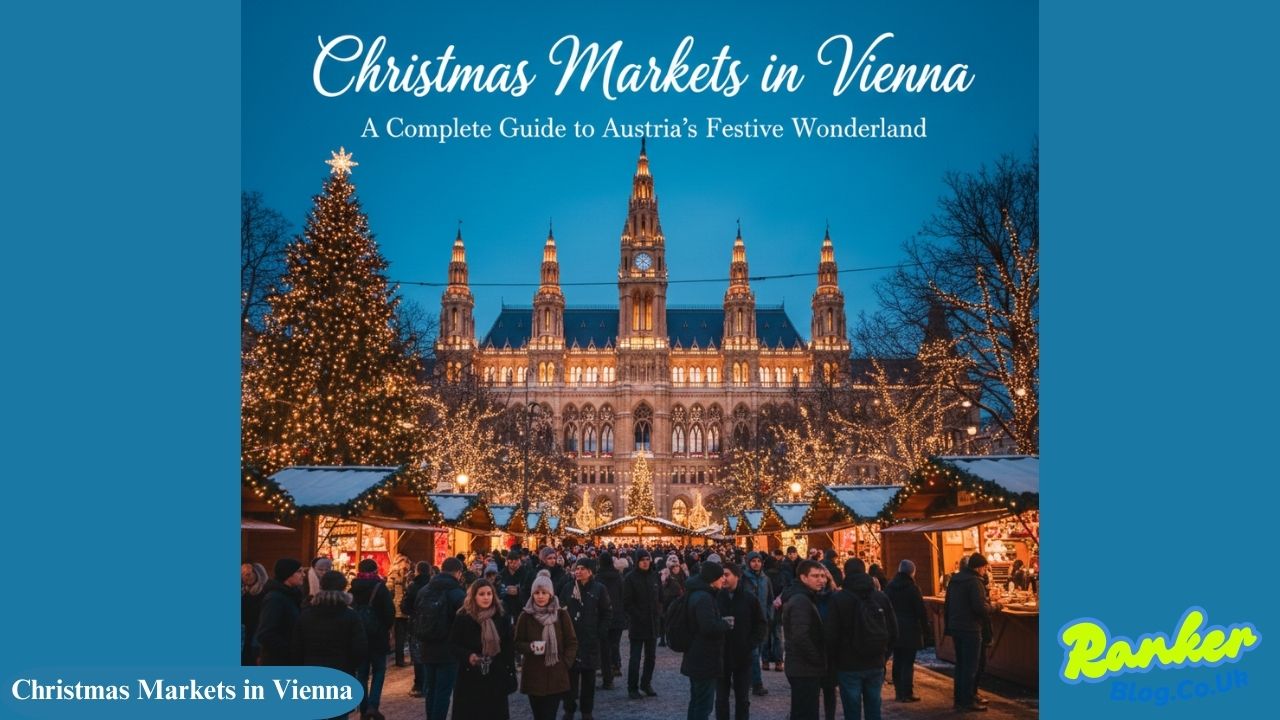
The crown jewel of Vienna’s festive offerings sits majestically in front of the neo-Gothic City Hall. This spectacular market spreads across the Rathausplatz square, creating a breathtaking scene that captures the essence of Christmas in Vienna.
Reaching this iconic location is remarkably easy, with the Rathaus metro station providing direct access. Visitors can also take trams that stop right at the square, making it one of the most accessible markets in the city.
The sheer scale of this market is impressive, featuring over 150 wooden stalls arranged in neat rows beneath towering trees adorned with thousands of twinkling lights. The atmosphere buzzes with excitement as visitors wander through the stalls, taking in the festive decorations and seasonal offerings.
Heart-shaped gingerbread cookies, intricate glass ornaments, and hand-carved nativity scenes line the vendor booths. The market also features a traditional carousel and an ice-skating rink, providing entertainment for visitors of all ages.
Traditional treats dominate the culinary landscape here. Vendors serve steaming cups of Glühwein, potato pancakes, grilled sausages, and sweet pastries that warm both body and soul on cold winter evenings.
Live performances fill the air with holiday music throughout the season. Choirs perform traditional carols, brass bands play festive melodies, and the sound of laughter from children meeting Santa creates an unforgettable soundtrack to the experience.
Christmas Market at Schönbrunn Palace
Few settings can match the imperial grandeur of Schönbrunn Palace as a backdrop for holiday celebrations. This market combines the elegance of Vienna’s royal heritage with authentic Austrian Christmas traditions.
The baroque yellow facade of the former summer residence of the Habsburgs creates a stunning setting. As darkness falls, the palace illuminates, providing a magical atmosphere that transports visitors to a bygone era of imperial splendor.
Local artisans showcase their finest work here, offering everything from hand-blown glass decorations to intricately designed wooden toys. The emphasis on quality craftsmanship makes this market particularly popular among those seeking authentic souvenirs.
Traditional products reflect Austria’s rich cultural heritage. Visitors can find everything from regional delicacies to handmade textiles that showcase centuries-old techniques passed down through generations.
The market hosts regular concerts in the palace’s Orangery, where classical musicians perform seasonal favorites in an intimate setting. These performances add a sophisticated touch to the festive atmosphere.
Christmas Village at Belvedere Palace
The Belvedere Palace provides another spectacular Baroque setting for holiday festivities. This market occupies the space between the Upper and Lower Belvedere, creating a romantic atmosphere enhanced by the palace’s architectural beauty.
Artisan crafts take center stage at this market, with vendors carefully selected for their unique, handmade creations. Unlike mass-produced souvenirs, the items here reflect genuine craftsmanship and artistic talent.
Visitors discover one-of-a-kind pieces ranging from hand-painted ceramics to custom jewelry designs. The quality of goods available makes this market a favorite destination for discerning shoppers seeking special gifts.
The culinary selection emphasizes quality over quantity, featuring gourmet food stalls alongside traditional favorites. Specialty coffee drinks, artisanal chocolates, and premium Glühwein varieties provide sophisticated refreshment options.
Families particularly appreciate the designated children’s area, complete with storytelling sessions, craft workshops, and opportunities for young visitors to write letters to the Christkind (Christ Child), the Austrian gift-bringer.
Spittelberg Christmas Market
Tucked into the charming Spittelberg neighborhood, this market exudes a distinctly bohemian character that sets it apart from larger, more tourist-oriented venues. The narrow cobblestone streets and historic buildings create an intimate, village-like atmosphere.
Local artisans dominate the vendor list, offering handcrafted items rarely found elsewhere. The focus on supporting local creators gives this market an authentic, community-oriented feel that resonates with visitors seeking genuine experiences.
Shoppers browse through stalls featuring contemporary craft designs alongside traditional items. The mix of old and new reflects Vienna’s ability to honor tradition while embracing creative innovation.
The intimate setting encourages leisurely browsing and conversation. Smaller crowds compared to the larger markets allow visitors to take their time, chat with vendors, and truly absorb the festive atmosphere.
An exceptional selection of mulled wine variations includes creative flavors beyond the standard recipe. Vendors experiment with fruit infusions, spiced variations, and even white wine versions, providing adventurous tasters with plenty to explore.
Other Notable Markets
Several additional markets throughout Vienna offer their own unique charms and specialties, each worth exploring for visitors with time to spare.
The Maria-Theresien-Platz market sits between two magnificent museums, combining culture with Christmas spirit. This location appeals particularly to art lovers who can combine museum visits with festive shopping.
The Am Hof square hosts a market focused on traditional crafts and handmade goods. The historic square provides a picturesque setting that captures Vienna’s medieval heritage.
Karlsplatz features a market with a modern twist, incorporating design-forward products alongside traditional offerings. The contemporary approach attracts younger visitors and those seeking unique gift ideas.
The Freyung market, located in the historic city center, specializes in high-quality artisan products and gourmet food items. Its central location makes it easy to include in any walking tour of Vienna.
What to Experience

Food and Drinks
The culinary journey through Vienna’s festive celebrations reveals Austria’s rich gastronomic traditions. Traditional treats form the foundation of the food experience, with each vendor offering their own take on beloved classics.
Lebkuchen, the spiced gingerbread cookies decorated with icing and almonds, appear at every market stall. Stollen, the dense fruit bread studded with candied fruits and dusted with powdered sugar, provides a portable sweet treat. Roasted chestnuts, sold in paper cones, offer a simple yet satisfying snack that warms cold hands.
Glühwein reigns supreme among beverages, with each market offering its own secret recipe. The heated red wine infused with cinnamon, cloves, and citrus creates an aromatic drink that has become synonymous with Christmas markets. Punch varieties provide alternatives, including non-alcoholic options made with fruit juices and spices.
Savory options balance the sweet offerings, with grilled sausages featuring prominently. Käsekrainer, the cheese-filled sausage, competes with traditional bratwurst for popularity. Raclette stands for melting cheese over potatoes, while langos—deep-fried flatbread topped with garlic and sour cream—provides a hearty snack.
Sweet delicacies extend beyond cookies and bread. Fresh crêpes, caramelized almonds, chocolate-dipped fruits, and warm apple strudel tempt visitors at every turn. The variety ensures that even the most selective eaters find something to enjoy.
Shopping and Crafts
The shopping experience offers far more than typical tourist souvenirs. Handmade ornaments crafted by local artisans hang from market stalls, each piece unique and reflecting traditional Austrian designs. Glass-blown decorations catch the light, creating rainbow effects that add to the magical atmosphere.
Traditional Austrian crafts showcase skills passed down through generations. Wood carvers demonstrate their techniques while selling intricately detailed nativity scenes, nutcrackers, and decorative figures. Textile artists display embroidered linens, felted accessories, and traditional garments.
Finding unique gifts becomes effortless when surrounded by such creativity. Hand-poured candles, custom jewelry pieces, artisanal soaps, and vintage-inspired decorations provide options for everyone on a shopping list.
Local specialties make perfect souvenirs to bring home. Pumpkin seed oil from Styria, Mozart chocolates, locally produced honey, and jarred spreads featuring regional fruits allow visitors to take a taste of Austria back with them.
Entertainment
Music fills the air throughout the markets, with live performances scheduled regularly. Local choirs gather to sing traditional carols, their voices creating a harmonious soundtrack to the festive atmosphere. Musicians play everything from classical pieces to contemporary holiday favorites.
Children find plenty to keep them entertained beyond the shopping and eating. Many markets offer craft workshops where young visitors create their own ornaments or decorations. Storytellers captivate audiences with traditional Christmas tales, while puppet shows provide entertainment that transcends language barriers.
Ice skating rinks feature in several major markets, allowing visitors to glide across the ice beneath twinkling lights and historic architecture. The combination of physical activity and festive atmosphere creates memorable moments for families and couples alike.
Light displays transform the markets after dark, with elaborate illuminations turning each venue into a glowing wonderland. Projected images dance across building facades, while millions of LED lights create canopies of stars overhead.
Practical Information

Planning Your Visit
Understanding when the markets operate helps visitors maximize their time. Most markets open in mid-November, though exact Vienna Christmas market dates vary slightly by location. The Vienna Christmas Dream typically starts around November 15th, while others may begin a few days earlier or later.
Operating hours generally run from late morning (around 10 or 11 AM) until late evening (9 or 10 PM on weekdays, sometimes later on weekends). The markets extend through December 23rd or 24th, with a few continuing until December 26th.
Avoiding crowds requires strategic timing. Weekday afternoons before 5 PM see fewer visitors than evenings and weekends. Tuesday through Thursday typically offer the most pleasant browsing conditions. The period immediately after markets open in mid-November and the last few days before Christmas represent the busiest times.
Budgeting for the experience depends on individual preferences. A cup of Glühwein costs approximately €4-6, food items range from €5-12, and decorative items start around €10 and climb based on size and complexity. Setting aside €30-50 per person for an afternoon of eating, drinking, and light shopping provides a comfortable buffer.
Getting Around
Vienna’s excellent public transportation system makes accessing markets straightforward. The metro (U-Bahn), trams, and buses all operate efficiently and connect the major market locations.
Walking between markets in the city center proves entirely feasible for those comfortable with moderate distances. The route from Rathausplatz to Am Hof takes about 15 minutes on foot, while reaching Schönbrunn requires public transport.
Most major markets provide wheelchair accessibility, with paved pathways and ramps allowing visitors with mobility concerns to navigate comfortably. However, the cobblestone streets in areas like Spittelberg can present challenges.
Tips for Visitors
Vienna’s winter temperatures hover around freezing, making warm clothing essential. Layering works best, with a thermal base layer, warm sweater, and waterproof winter coat providing protection against cold and potential snow. Comfortable, waterproof boots with good traction prove invaluable on potentially icy surfaces. Don’t forget gloves, a warm hat, and a scarf to protect extremities from the cold.
While many vendors now accept cards, cash remains preferred at smaller stalls and for purchases under €10. ATMs appear throughout the city, making it easy to withdraw euros as needed. Carrying a mix of small bills (€5, €10, €20) facilitates quick transactions.
Learning a few basic German phrases enhances the experience, though most vendors speak at least basic English. “Danke” (thank you), “Bitte” (please/you’re welcome), and “Frohe Weihnachten” (Merry Christmas) go a long way in creating friendly interactions.
Respecting local customs enriches the visit. Austrians value politeness and appreciate greetings when entering shops or approaching vendors. Queuing orderly and being patient during busy times demonstrates respect for local culture.
Beyond the Markets
Vienna offers countless activities beyond the markets themselves. The city’s world-famous museums, including the Kunsthistorisches Museum and the Albertina, often feature special holiday exhibitions that complement the festive atmosphere outside.
Historic attractions take on special significance during the holiday season. St. Stephen’s Cathedral hosts special Christmas masses and concerts, while the Spanish Riding School continues its famous Lipizzaner performances throughout winter.
New Year’s celebrations in Vienna rival the Christmas festivities, with the city hosting concerts, balls, and the famous Imperial New Year’s Eve Ball. The New Year’s Day concert by the Vienna Philharmonic represents one of classical music’s most prestigious events.
Day trips from Vienna provide opportunities to experience Austrian Christmas traditions in smaller settings. Salzburg, just a few hours away by train, offers its own charming markets against a backdrop of Alpine scenery. The Wachau Valley wine region hosts intimate village celebrations worth exploring.
Where to Stay in Vienna for Christmas Markets
Selecting the right accommodation enhances the overall experience significantly. The Inner City (Innere Stadt) places visitors within walking distance of multiple markets and major attractions. Hotels here command premium prices but offer unmatched convenience.
The Josefstadt and Neubau districts provide excellent alternatives, offering characterful neighborhoods with good public transport connections and slightly lower accommodation costs. These areas maintain an authentic Viennese atmosphere while remaining accessible to all major markets.
Those prioritizing proximity to specific markets should consider locations accordingly. Staying near Schönbrunn Palace makes sense for visitors focusing on that area, while accommodation near Karlsplatz provides excellent metro connections to markets throughout the city.
Booking well in advance becomes crucial, as December represents peak tourist season. Reservations made by September or early October secure better rates and availability. Where to stay in Vienna for Christmas markets often depends on individual preferences regarding budget, location, and amenities.
What to Buy at Vienna Christmas Market
The question of what to buy at the Vienna Christmas market finds answers in the incredible variety of goods available. Traditional glass ornaments topped with hand-painted designs make beautiful tree decorations and thoughtful gifts. Each piece reflects Austrian craftsmanship and adds authentic European charm to holiday décor.
Edible souvenirs transport the flavors of Vienna home. Packaged lebkuchen, Mozart chocolates, pumpkin seed oil, and locally produced jams and preserves all travel well and provide lasting memories of the trip.
Handcrafted items unique to Austrian traditions include Swarovski crystal decorations, traditional dirndl or lederhosen accessories, hand-carved wooden figures, and felted wool items. These pieces carry cultural significance beyond their aesthetic appeal.
For those seeking practical items, high-quality woolen scarves, handmade soaps infused with alpine herbs, and artisanal beeswax candles blend utility with craftsmanship.
Conclusion
The magic of Christmas in Vienna extends far beyond simple holiday shopping. The markets represent a living tradition that connects present-day visitors with centuries of Austrian heritage and celebration. Each market offers its own personality, from the grand spectacle of the Vienna Christmas Dream to the intimate charm of Spittelberg.
The combination of imperial architecture, traditional craftsmanship, delicious food, and festive atmosphere creates an experience that stays with visitors long after they return home. The care taken in preserving authentic traditions while welcoming modern visitors demonstrates Vienna’s unique ability to honor its past while embracing the present.
Planning a visit requires consideration of timing, accommodation, and personal interests, but the effort yields immeasurable rewards. Whether seeking romantic ambiance, family-friendly activities, or simply the joy of wandering through beautifully decorated stalls while sipping Glühwein, Vienna’s Christmas markets deliver unforgettable experiences.
The memories created while exploring these festive wonderlands—the taste of roasted chestnuts, the sparkle of handcrafted ornaments, the sound of carols echoing through historic squares—become treasured souvenirs that no luggage restrictions can limit. Vienna awaits with open arms and warm hearts, ready to share its Christmas magic with all who visit.
Also Read: Where to Stay on the Amalfi Coast Your Complete Guide to Finding the Perfect Base