
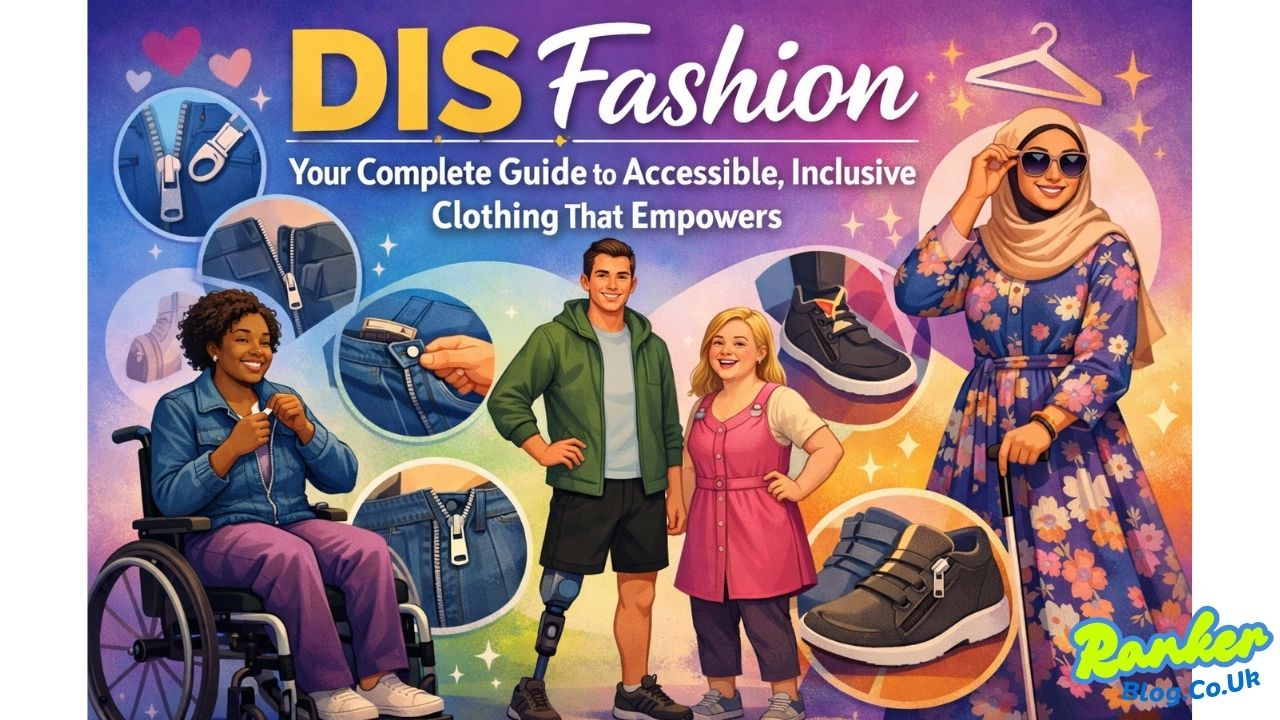
Does getting dressed ever feel more like a chore than an act of self-expression? If you have a disability, or care for someone who does, you know the struggle all too well: clothes that fight against your body, fastenings that require fine motor skills you don’t possess, and a fashion world that often seems to forget you exist. You’re not just looking for something to wear—you’re looking for dignity, independence, and joy.
This is where DIS Fashion comes in. It’s more than a trend; it’s a movement championing style that is truly for everyone. This guide will walk you through the empowering world of accessible apparel, showing you how to build a wardrobe that works with you, not against you.
What is DIS Fashion? More Than a Label
DIS Fashion represents a revolutionary approach to clothing design that places accessibility at its core. The term encompasses adaptive fashion, inclusive design, and disability-positive clothing that challenges the traditional fashion industry’s one-size-fits-all mentality.
Understanding the Foundation
At its heart, this movement recognizes that disability is part of human diversity, not something to hide or “fix” through fashion. Instead of forcing bodies to conform to standard clothing, adaptive designs celebrate individual needs while maintaining style and personal expression.
The fashion landscape has long overlooked approximately 1.3 billion people worldwide living with disabilities. Traditional garment construction—with tight cuffs, high necklines, complex closures, and inflexible fabrics—creates unnecessary barriers to getting dressed independently.
Breaking Down Barriers Through Design
What sets this approach apart is its commitment to functionality without sacrificing aesthetics. Think magnetic closures that look like traditional buttons, adjustable waistbands hidden beneath stylish layers, or side-opening pants that maintain the appearance of conventional jeans while allowing someone in a wheelchair to dress with ease.
This isn’t about creating a separate “special needs” category tucked away in the back of online stores. It’s about integrating thoughtful design principles into mainstream fashion so everyone can participate in the joy of self-expression through clothing.
Why Adaptive Fashion Matters Beyond the Seams
The impact of accessible clothing extends far beyond mere convenience. When getting dressed becomes a frustrating, time-consuming battle, it affects every aspect of daily life.
Preserving Dignity and Independence
Imagine needing assistance for something as personal as getting dressed every single day. The loss of privacy and autonomy can be profound. Adaptive clothing restores independence, allowing individuals to dress themselves on their own timeline, maintaining dignity and self-reliance.
For caregivers, these designs can transform morning routines from stressful struggles into manageable tasks, reducing physical strain and emotional exhaustion for everyone involved.
Building Confidence and Identity
Fashion is a powerful form of self-expression. When someone can choose outfits that reflect their personality, mood, and style preferences—rather than being limited to whatever they can physically manage—it fundamentally changes their relationship with their wardrobe and themselves.
Young people with disabilities, in particular, benefit enormously from being able to dress like their peers. The ability to wear trendy jeans, stylish dresses, or athletic wear builds social confidence and helps combat the isolation many experience.
Economic and Social Participation
Accessible professional attire opens doors to employment opportunities. When someone can dress appropriately for job interviews and workplace environments without assistance, it removes yet another barrier to economic independence and career advancement.
Similarly, having occasion-appropriate clothing—whether for weddings, dates, or social gatherings—ensures full participation in community life rather than being sidelined due to wardrobe limitations.
Health and Comfort Considerations
Beyond psychology and social factors, proper clothing design addresses genuine health needs. Seamless construction prevents pressure sores for wheelchair users. Breathable, easy-on fabrics reduce skin irritation for those with sensory sensitivities. Temperature-regulating materials accommodate conditions that affect body temperature control.
The 5 Pillars of Inclusive Design in DIS Fashion
Understanding the core principles that guide accessible fashion helps both consumers and designers create truly inclusive wardrobes.
1. Simplified Closures and Fastenings
Traditional buttons, zippers, and hooks present significant challenges for individuals with limited dexterity, arthritis, tremors, or paralysis. Inclusive design addresses this through:
Magnetic closures that snap together easily without requiring precise motor control. These often look identical to traditional buttons from the outside, maintaining aesthetic appeal.
Velcro and hook-and-loop fastenings strategically placed for easy access, often hidden beneath decorative overlays to maintain a polished appearance.
Elastic waistbands and cuffs that eliminate the need for zippers and buttons entirely while providing comfortable, adjustable fit.
Side and back openings that allow dressing while seated, particularly important for wheelchair users or those with limited mobility.
2. Adaptive Fit and Adjustability
Bodies are diverse, and disabilities often mean standard sizing simply doesn’t work. Inclusive fashion incorporates:
Multiple adjustment points including drawstrings, elastic panels, and adjustable straps that accommodate fluctuating body sizes, medical devices, and various seated or standing postures.
Extended sizing that goes beyond traditional size charts to genuinely fit a wider range of bodies, including options for limb differences and proportions affected by various conditions.
Seated fit considerations recognizing that many people spend significant time sitting. Longer backs, shorter fronts, and strategically placed seams prevent bunching and discomfort.
Accommodation for medical equipment such as feeding tubes, catheters, insulin pumps, or prosthetics, with discreet access points that don’t compromise style.
3. Sensory-Friendly Materials and Construction
For individuals with sensory processing differences, autism spectrum conditions, or skin sensitivities, fabric choice is crucial:
Soft, tagless construction eliminates scratchy labels and irritating seams that can cause genuine distress.
Natural, breathable fabrics like cotton, bamboo, and modal that regulate temperature and allow air circulation.
Flat seams or French seams that sit smoothly against skin without rubbing or creating pressure points.
Weighted options for those who benefit from deep pressure stimulation for anxiety or sensory regulation.
4. Ease of Dressing and Undressing
Getting clothes on and off independently is fundamental to dignity and autonomy. Design solutions include:
Wide neck openings that accommodate limited shoulder mobility or difficulty lifting arms overhead.
Side-zip pants and skirts allowing someone to step into garments while seated or with limited balance.
Front-opening designs for tops and dresses, eliminating the need to pull anything over the head.
One-handed dressing features such as elastic loops to hold pants while stepping in, or specially designed sleeve constructions.
5. Style Without Compromise
Perhaps the most important pillar is the commitment to making adaptive features invisible or integrated seamlessly into fashionable designs:
On-trend silhouettes and colors that reflect current fashion rather than institutional or medical aesthetics.
Disguised adaptations where magnetic closures look like buttons, or side openings are hidden in seams and design details.
Variety and choice offering the same diversity of styles—casual, professional, athletic, formal—available to everyone else.
Age-appropriate options ensuring children, teens, adults, and seniors all have access to clothing that suits their life stage and personal taste.
Your 5-Step Guide to Building an Accessible DIS Fashion Wardrobe
Creating a functional, stylish wardrobe that meets your specific needs doesn’t have to be overwhelming. This practical approach helps you build a collection piece by piece.
Step 1: Assess Your Specific Needs
Start by honestly evaluating your daily dressing challenges. Keep a journal for a week noting:
- Which garments take longest to put on or remove?
- What causes physical discomfort or pain?
- Which closures are most difficult to manage?
- What times of day are hardest for dressing?
- Which activities are limited by current clothing?
Consider whether you dress independently or with assistance, and whether your needs vary depending on energy levels, pain, or other fluctuating factors.
Don’t forget to think about your lifestyle: Do you need professional attire? Athletic wear? Formal occasion outfits? Your wardrobe should reflect your actual life, not a limited version of it.
Step 2: Prioritize Your Wardrobe Essentials
Rather than trying to replace everything at once, focus on the pieces you wear most frequently and those causing the greatest frustration.
Start with foundational items: comfortable everyday pants or skirts, easy-on tops for daily wear, and undergarments that don’t require contortion to put on. These form the base of most outfits.
Next, consider special-purpose items you need regularly: professional pieces if you work, exercise clothing if you’re active, or sleepwear if nighttime dressing and undressing is challenging.
Finally, think about occasional needs: dressy outfits for events, seasonal items, or specialty athletic gear.
Step 3: Research Brands and Options
The adaptive fashion market has expanded significantly in recent years. Take time to explore:
Mainstream brands like Tommy Hilfiger Adaptive, Target’s Cat & Jack adaptive line, and Nike’s FlyEase shoes that have brought accessible design to broader audiences.
Specialty adaptive brands focusing exclusively on accessibility, often founded by people with disabilities who intimately understand the challenges.
Custom and made-to-order options for particularly unique needs that ready-to-wear doesn’t address.
DIY modifications if you’re handy with a sewing machine or have a trusted tailor who can adapt existing clothing.
Read reviews from people with similar needs. Many adaptive fashion communities exist online where individuals share honest feedback about what works and what doesn’t.
Step 4: Start Small and Test Thoroughly
Don’t invest heavily before knowing what works for your body and lifestyle. Order a few items from different brands to compare:
- How easy are they to put on independently?
- Do they stay comfortable throughout the day?
- Can you manage bathroom visits easily?
- Do they accommodate your medical devices or equipment?
- Do you feel confident and stylish wearing them?
Pay attention to return policies. Reputable adaptive brands understand that finding the right fit and function may require trying several options.
Consider the care requirements too. If something needs special washing or ironing, will you realistically maintain it, or will it end up unworn?
Step 5: Build and Refine Your Collection
Once you’ve identified what works, gradually expand your wardrobe with confidence:
Create capsule collections where pieces mix and match easily, maximizing outfit combinations with fewer total garments.
Invest in quality for frequently worn items. While adaptive clothing can be expensive, durable pieces that last years often prove more economical than cheap alternatives requiring frequent replacement.
Don’t be afraid to modify your approach as your needs change. Bodies change, conditions fluctuate, and new products constantly enter the market. Your wardrobe should evolve with you.
Spotlight: Pioneering DIS Fashion Brands to Know
The adaptive fashion landscape includes both major retailers and innovative independent designers. Here are some trailblazers worth exploring:
Tommy Hilfiger Adaptive
Perhaps the most high-profile entry into adaptive fashion, Tommy Hilfiger’s adaptive line launched in 2017 and brought mainstream attention to inclusive design. Their collections feature magnetic button shirts, adjustable hems, and one-handed zipper pulls while maintaining the brand’s classic American style aesthetic.
The line includes children’s and adults’ clothing, with everything from casual basics to polished professional pieces. Their collaboration with disability advocates during the design process ensures functionality meets real-world needs.
IZ Adaptive
Founded by a mother seeking better clothing options for her daughter, IZ Adaptive focuses on women’s fashion that doesn’t sacrifice style for functionality. Their signature innovation includes side-zip pants that look like traditional trousers but open completely for seated dressing.
The brand emphasizes professional and dressy-casual options, filling a gap for women who want sophisticated work attire that accommodates wheelchairs, limited mobility, or dressing assistance.
Adaptations by Adrian
Created by a designer with cerebral palsy, this brand intimately understands the frustrations of inaccessible fashion. Their designs feature clever solutions like hidden magnetic closures, strategic elastic panels, and construction that looks conventional but functions adaptively.
They offer custom tailoring services, allowing for truly personalized fits that accommodate individual body shapes and specific medical equipment.
Reboundwear
Initially created for shoulder surgery recovery, Reboundwear has expanded to serve anyone with upper body dressing challenges. Their one-shoulder-access designs allow putting on shirts without lifting arms overhead, using a unique zipper system that maintains a traditional appearance once worn.
Nike FlyEase
Nike’s FlyEase technology revolutionized adaptive footwear by creating shoes that can be put on without bending down or using hands. The wrap-around zipper and unique sole design allow stepping into shoes that then secure automatically.
While originally developed for athletes with disabilities, the design proved so practical that it gained mainstream popularity, demonstrating how accessibility benefits everyone.
MagnaReady
Specializing in men’s professional attire, MagnaReady offers dress shirts with magnetic closures that look indistinguishable from traditional buttons. Their focus on business wear helps men with limited dexterity maintain professional appearances without struggling with tiny buttons.
The brand has expanded to include polo shirts, casual button-downs, and even tuxedo shirts, proving that adaptive design works for formal occasions too.
Slick Chicks
Focused on fashionable adaptive clothing for girls and young women, Slick Chicks creates trendy pieces that help young people with disabilities dress like their peers. From cute dresses with hidden openings to stylish separates with adaptive features, they address the unique social pressures facing young people.
ABL Denim
Recognizing that jeans are a wardrobe staple yet incredibly challenging for many people with disabilities, ABL Denim specializes in adaptive denim. Their side-zip jeans maintain the look of traditional five-pocket jeans while opening completely for seated dressing.
They offer various rises, washes, and styles, ensuring that everyone can participate in this universal fashion essential.
The Future is Inclusive: How You Can Be Part of the Change
DIS fashion has made remarkable progress, but there’s still work to be done to make truly inclusive clothing the norm rather than the exception.
Supporting with Your Purchasing Power
Every purchase sends a message. When you buy from brands prioritizing accessibility, you’re voting with your wallet for more inclusive fashion. Share your positive experiences through reviews and social media to help others discover what works.
Conversely, don’t hesitate to contact brands that don’t offer adaptive options. Customer demand drives business decisions, and companies need to hear that accessible fashion matters to their customer base.
Advocating for Representation
Fashion advertising has historically excluded people with disabilities. Support brands that feature disabled models in their campaigns, and call out those that don’t represent the diversity of their customers.
Representation matters beyond marketing too. Encourage fashion schools to include adaptive design in their curricula. The next generation of designers should learn from the beginning that good design is inclusive design.
Sharing Knowledge and Resources
If you’ve discovered what works for your specific needs, share that information. Online communities, blog posts, social media threads, and word-of-mouth recommendations help others navigate the still-fragmented adaptive fashion marketplace.
Likewise, if you’re a caregiver, teacher, or healthcare provider, educate yourself about adaptive options so you can guide the people you serve toward independence and dignity in dressing.
Challenging Stereotypes
One of the biggest barriers to widespread adoption of inclusive fashion is the persistent stereotype that disability and style are somehow incompatible. Challenge this assumption in your daily life by embracing fashion that expresses your personality and celebrating others who do the same.
Fashion should never be about conforming to narrow standards. It should be about joy, creativity, and self-expression—values that belong to everyone, regardless of ability.
Pushing for Policy Changes
Beyond individual actions, systemic change requires policy advocacy. Support legislation that mandates accessibility standards in retail environments, pushes for better insurance coverage of adaptive clothing when medically necessary, and incentivizes inclusive design in the fashion industry.
Corporate policies matter too. If you work in retail, healthcare, or related fields, advocate for workplace dress codes that acknowledge and accommodate adaptive clothing needs.
Embracing Universal Design
Remember that what benefits people with disabilities often benefits everyone. Parents dressing squirmy toddlers appreciate magnetic closures. Elderly individuals value easy-on shoes. Pregnant women benefit from adjustable waistbands. Post-surgery patients need accessible clothing during recovery.
Universal design—creating products usable by the widest range of people—should be the goal, not a segregated “adaptive” category. When we design for accessibility from the start, everyone wins.
Conclusion
The journey toward truly inclusive fashion continues to evolve. What began as a small movement driven by necessity has grown into a recognized force reshaping how the industry thinks about design, beauty, and who deserves to participate in fashion.
For individuals with disabilities and those who support them, accessible clothing represents more than fabric and seams. It’s about reclaiming autonomy, expressing identity, and participating fully in all aspects of life. Getting dressed shouldn’t be a barrier to living—it should be a daily opportunity for joy and self-expression.
Whether you’re just beginning to explore adaptive options or you’ve been advocating for inclusive fashion for years, remember that your voice, your purchases, and your presence matter. Every person who demands better from the fashion industry makes it easier for the next person to find clothing that celebrates who they are.
The future of fashion is inclusive. And that future is already being written by designers, advocates, and consumers who refuse to accept that style and accessibility are mutually exclusive. Join them. Your wardrobe—and the world—will be better for it.
Also Read: The Complete Guide to Stüssy From Surf Culture to Streetwear Royalty