
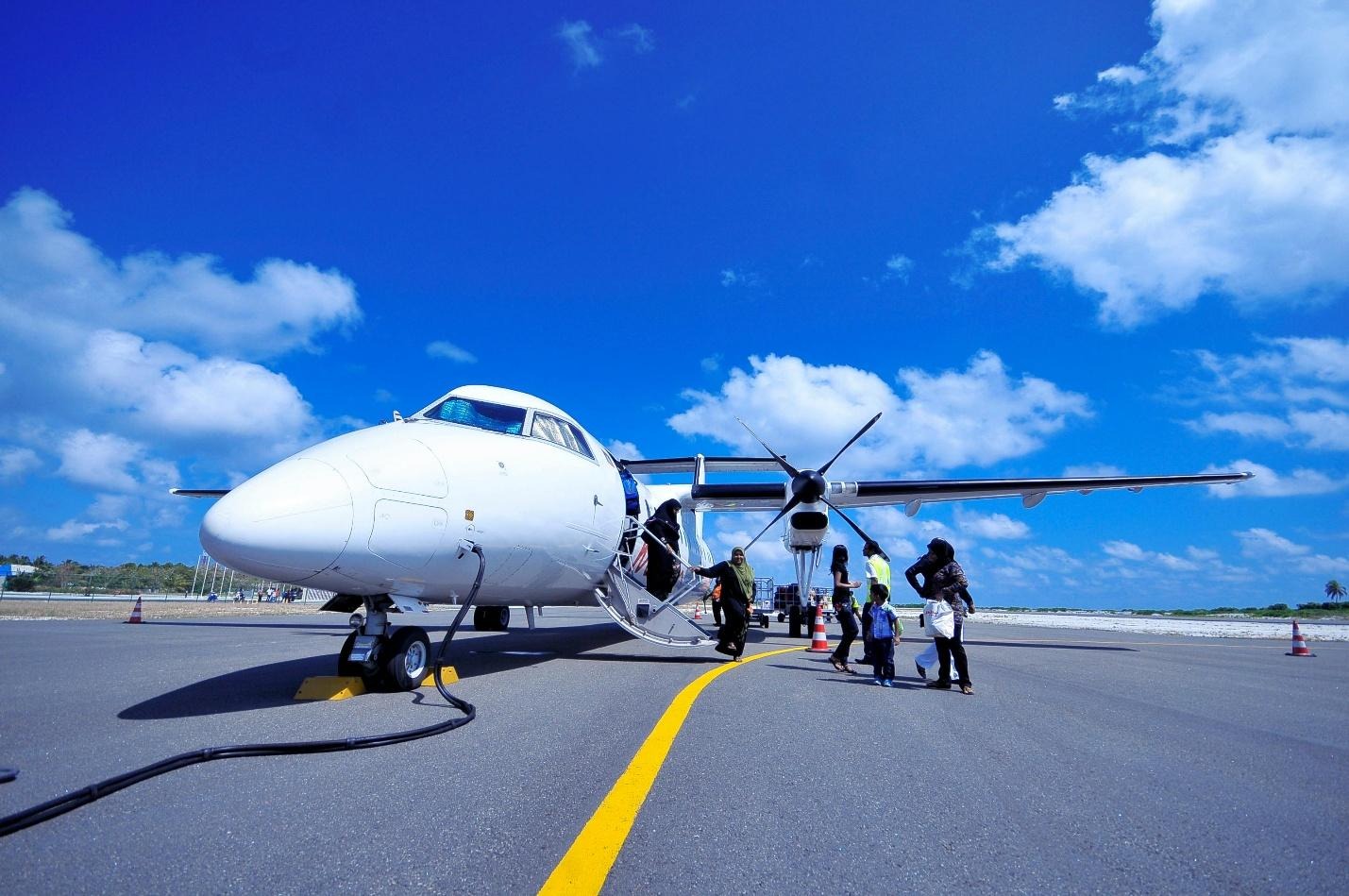
Photo by Pexels
At first glance, exterior aircraft detailing may appear to be primarily cosmetic—a way to keep an aircraft looking clean and polished. In reality, it serves a much deeper purpose that directly affects safety, performance, asset preservation, and long-term operational efficiency. Aircraft operate in harsh environments, facing constant exposure to environmental contaminants that can degrade surfaces over time. Exterior detailing is a proactive maintenance practice that protects the aircraft far beyond visual appeal.
Understanding the Scope of Exterior Aircraft Detailing
Exterior aircraft detailing is a structured, multi-step process designed specifically for aviation-grade materials and finishes. It includes washing, degreasing, decontaminating, polishing, and applying protective treatments to surfaces such as the fuselage, wings, tail, landing gear, and control surfaces. Each step must be performed using aviation-approved methods that avoid damage to sensitive components.
Unlike standard cleaning, exterior detailing requires knowledge of aircraft construction and aerodynamics. Professionals understand which areas require caution due to sensors, composite components, and seals. This precision ensures that cleaning enhances the aircraft’s condition without interfering with its operational systems.
Protecting Aircraft Surfaces From Environmental Damage
Aircraft exteriors are constantly exposed to ultraviolet radiation, moisture, salt air, exhaust byproducts, and airborne debris. Over time, these factors lead to oxidation, paint degradation, and corrosion if left untreated. Exterior detailing removes harmful contaminants before they cause lasting damage.
Polishing restores smoothness to painted surfaces, reducing oxidation and surface irregularities. Once the aircraft is cleaned and polished, protective coatings and waxes are applied to form a barrier against future exposure. These treatments help preserve paint integrity, reduce corrosion risk, and minimize the frequency of repainting.
Enhancing Performance Through Surface Maintenance
A clean aircraft is not just visually appealing—it can also perform better. Dirt, residue, and oxidation increase surface drag, which can subtly affect airflow and fuel efficiency over time. Exterior detailing restores smooth aerodynamic surfaces that allow air to flow more efficiently during flight.
Beyond aerodynamics, detailing supports mechanical performance by ensuring that moving components such as flaps, hinges, and landing gear operate without obstruction. Regular exterior care also makes it easier to detect surface abnormalities early, helping maintenance teams identify issues before they escalate.
Supporting Visibility, Safety, and Inspections
Exterior detailing plays an important role in safety by improving inspection accuracy. Clean surfaces allow maintenance crews and inspectors to spot cracks, corrosion, leaks, or loose fasteners that might otherwise go unnoticed. This is especially critical during routine inspections where clarity and visibility matter.
Clean windows, windshields, and external lighting enhance visibility during taxi, takeoff, and landing. By removing grime and restoring clarity, detailing helps pilots maintain situational awareness. Using proper tools and real cleaning aircraft detailing items ensures these components are cleaned safely without scratching or weakening protective coatings.
Preserving Value and Professional Presentation
Aircraft represent major financial investments, and exterior condition significantly influences resale and charter value. A well-maintained exterior reflects disciplined ownership and consistent care, factors that buyers and operators look for when evaluating aircraft history.
For business and charter operators, exterior appearance also reflects professionalism and brand reputation. Clients often associate aircraft cleanliness with operational standards and attention to detail. Consistent exterior detailing helps maintain a polished, trustworthy image while protecting the long-term value of the asset.
Conclusion
Exterior aircraft detailing is far more than a superficial task—it is an essential part of responsible aircraft care. By protecting surfaces, supporting performance, improving inspection accuracy, and preserving asset value, detailing plays a critical role in overall aircraft maintenance strategies. When performed correctly and consistently, exterior detailing helps ensure aircraft remain safe, efficient, and visually impressive for years to come.