
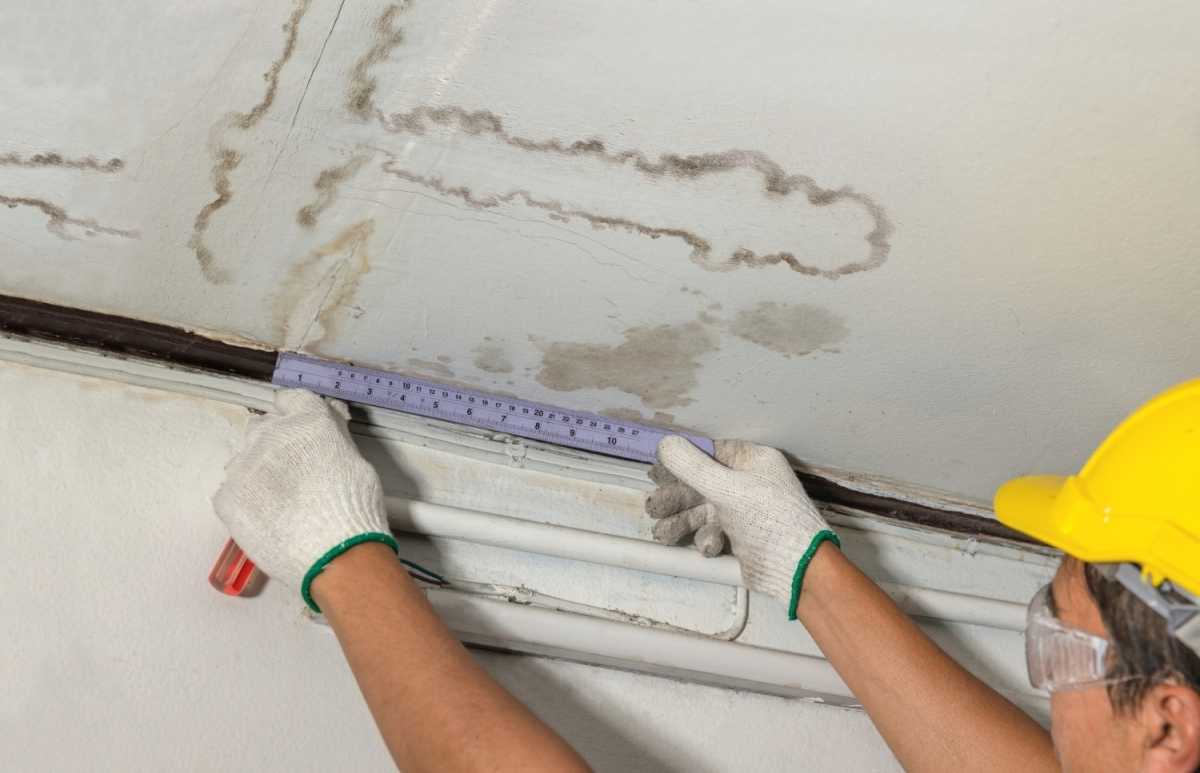
Water damage is sneaky. What starts as a tiny leak behind a wall or under a floor can quietly turn into warped materials, mold growth, insulation damage, stained finishes, and even structural trouble before you realize anything is wrong. The costly part is not always the water you can see. It is the moisture you cannot. Professional restoration teams often stress that quick action matters because a proper response usually involves more than cleanup alone. As outlined at https://www.servekings.ca, it can include inspection, moisture detection, water extraction, controlled drying, humidity management, mold remediation, and repairs to damaged materials so the problem does not keep spreading.
The smell that should put you on alert
One of the most common signs of hidden water damage is a persistent musty odor. If a room smells damp even after you clean it, there is a good chance moisture is trapped somewhere behind drywall, beneath flooring, inside cabinets, or around insulation. That smell often points to the kind of damp environment where mold likes to settle in and multiply. A mold issue does not always begin with dramatic black patches on the wall. Sometimes it begins with nothing more than a strange earthy smell that seems to come and go. The reason this gets expensive is simple: by the time the odor is obvious, the moisture problem may have already been present for a while.
Stains that seem to appear out of nowhere
Water stains are one of the easiest clues to notice and one of the easiest to ignore. Brownish rings on ceilings, yellow discoloration on drywall, bubbling paint, and peeling wallpaper can all signal that water is moving where it should not. These marks are especially important when they show up with no obvious spill or accident to explain them. A small ceiling stain can point to a roof leak, plumbing issue, or condensation problem farther away from the visible mark. Fun fact: Water can travel along beams, pipes, and wall cavities before it finally shows itself, which is why the stain you see is not always directly below the source.
What your walls, floors, and ceilings may be trying to tell you
The surfaces in your home or building often reveal hidden moisture long before a major failure happens. Paying attention to texture changes can save you a lot of money.
Warped floors and soft spots underfoot
If wood flooring starts to cup, laminate edges rise, tiles loosen, or carpet feels damp for no clear reason, hidden water may be collecting below the surface. Floors are especially vulnerable because water naturally works its way downward and can stay trapped for long periods. You might also notice a slightly spongy or uneven feel when you walk across certain areas. That is not just annoying. It can be a warning that subfloor materials are absorbing moisture and weakening over time.
Bubbling paint and swollen drywall
Paint that blisters or cracks without another explanation is often reacting to moisture pressure beneath the surface. The same goes for drywall that feels soft, looks swollen, or starts to crumble near baseboards. A professional water damage response usually includes a thorough assessment and hidden moisture testing because visible surface damage is only part of the story. Some restoration providers specifically use moisture meters and infrared tools to locate water that cannot be seen with the naked eye, followed by extraction, dry-out, and humidity control to prevent mold and deeper structural issues.
The less obvious clues people overlook every day
Some of the biggest warning signs do not look dramatic at all, which is why they are so easy to dismiss.
A sudden increase in humidity indoors
If your indoor air starts feeling sticky, heavy, or harder to cool, hidden moisture may be affecting the space. Condensation on windows, lingering dampness in one room, or a bathroom that never seems to dry out can all point to a developing issue behind the scenes. Moisture problems are not always caused by a burst pipe. Slow leaks, poor ventilation, appliance failures, and even unnoticed seepage can create the right conditions for damage to build quietly over time. In situations like these, a fast and thorough response, according to risk free serv water damage repair, tends to be far more effective than a simple surface-level fix. Proper restoration often starts with immediate action, uses specialized equipment and proven drying methods, and addresses not just the visible water, but the hidden moisture that can keep causing problems. It also helps prevent a small issue from turning into a much larger restoration project that affects air quality, building materials, and everyday comfort.
Rising utility bills with no clear reason
A hidden plumbing leak can waste more water than most people expect. If your water bill suddenly climbs and your household habits have not changed, that can be a clue that water is escaping somewhere out of sight.
Fun fact: Even a small leak can add up over time, and the financial hit often comes twice: once on the utility bill and again through repairs to materials damaged by ongoing moisture.
When hidden water damage turns into a mold problem
This is where a small issue can become much more serious. If moisture remains trapped, mold can begin growing quickly, especially in wet drywall, insulation, and poorly ventilated spaces. Restoration professionals commonly emphasize source identification, containment, safe removal, and final verification because wiping down visible spots is rarely enough when growth has spread into hidden cavities. That is why many property owners need more than a basic cleanup. They may need moisture detection, mold remediation, removal of contaminated materials, drying equipment, and repairs to walls, floors, or ceilings that have lost their integrity.
The best time to call for help
The best time is earlier than most people think. If you notice musty odors, staining, warped materials, unexplained humidity, soft drywall, or any suspicious change in how a room looks or feels, it is smart to have the property assessed before the damage gets worse. The most effective service is not just about drying what is wet today. It is about identifying the source, checking for hidden moisture, preventing mold, and restoring damaged parts of the property properly. That kind of full-service response can make the difference between a targeted repair and a major rebuild.
Ignoring hidden water damage is a bit like ignoring a strange noise in your car. It rarely fixes itself, and it usually gets more expensive the longer you wait.