
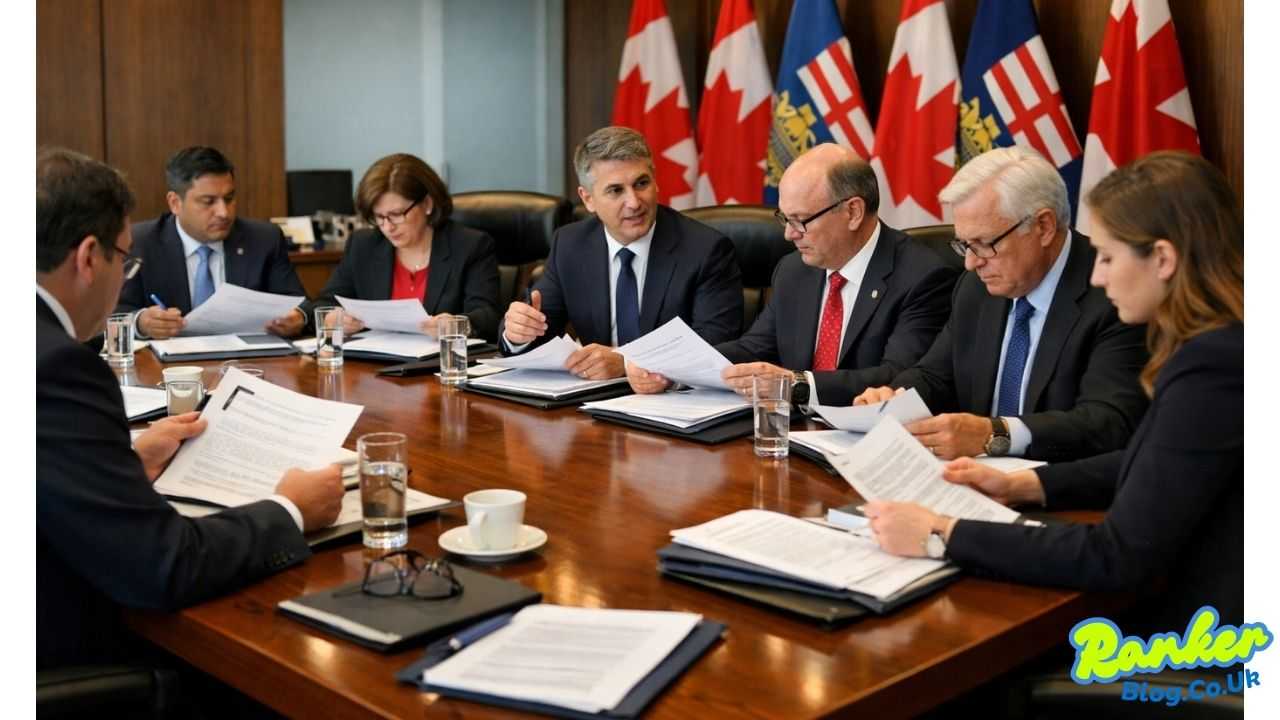
What Is a Memorandum to Cabinet?
A memorandum to cabinet is one of the most powerful internal government documents used to move ideas into official policy. It is not public marketing. It is not a press release. It is a working paper that helps top decision-makers understand a proposal, assess risks, compare options, and approve or reject an action. When written well, it can shape national direction. When written poorly, it can delay or block major initiatives.
Many people hear the term but never see how it actually works. The process behind a memorandum to cabinet blends policy thinking, financial planning, legal checks, and political awareness. It turns a raw idea into a structured proposal that ministers can review and vote on.
This guide walks through the full picture — what it is, why governments depend on it, how it is built, what sections it includes, and how strong drafting improves the approval chance.
Why Governments Rely on the Memorandum to Cabinet
Every government faces a constant stream of competing priorities. Ministers deal with tight budgets, public pressure, legal obligations, and long-term national goals — all at the same time. A memorandum to cabinet gives those ministers a single, organized document that cuts through the noise.
Without this kind of formal structure, proposals could arrive in cabinet meetings without proper context. A minister might support an idea based on partial information. Another might reject it based on a misunderstanding. The memorandum to cabinet prevents those gaps by ensuring every major proposal gets a proper hearing with full supporting detail.
It also creates an official record. When a decision is made based on a memorandum to cabinet, there is documentation showing what information was available, what options were considered, and what conclusion was reached. That paper trail matters for accountability, audits, and future reference.
Who Writes a Memorandum to Cabinet?
The drafting process usually begins at the departmental level. A senior public servant — often a director or deputy secretary — leads the writing effort in close coordination with policy analysts, legal advisers, and financial officers.
The minister responsible for the policy area formally sponsors the memorandum to cabinet. That means the minister’s office reviews the document before it reaches cabinet, checks the political framing, and signs off on the submission. In many governments, the cabinet secretariat also reviews the draft to confirm it meets format requirements before it is circulated to all cabinet members.
This collaborative effort is important. A memorandum to cabinet is never the work of one person. It draws on expertise from across government to produce a document that is both technically sound and politically viable.
The Core Sections of a Memorandum to Cabinet
Purpose Statement
Every memorandum to cabinet opens with a clear purpose statement. This section tells ministers exactly what is being asked. Is the document seeking a decision? Is it requesting approval to consult? Is it presenting information for noting? The purpose must be obvious from the first paragraph.
A vague or unclear purpose is one of the most common reasons a memorandum to cabinet gets sent back for revision. Ministers are busy. If they cannot identify the ask immediately, the document loses momentum.
Background and Context
This section explains why the proposal exists. It provides the history behind the issue, recent developments that triggered the need for action, and the current state of affairs. A well-written background section gives a minister who is unfamiliar with the subject enough grounding to follow the rest of the document.
The background in a memorandum to cabinet should be factual and neutral. This is not the place to argue for a particular outcome. It is the place to describe reality clearly.
Policy Options
One of the most critical sections in any memorandum to cabinet is the presentation of policy options. Rather than pushing a single solution, the document must lay out several credible alternatives. Each option should include a clear description, its expected outcomes, and an honest assessment of the advantages and disadvantages.
Presenting multiple options demonstrates rigorous analysis. It also respects the role of cabinet ministers, who are the actual decision makers. A memorandum to cabinet that appears to have pre-decided the answer can undermine trust and generate resistance even from supporters.
Typically, the options section will include a “do nothing” or status quo option as a baseline. This helps ministers understand what happens if no action is taken, which adds important context for comparing alternatives.
Recommended Option
After laying out all the options, the memorandum to cabinet presents a recommended course of action. This recommendation comes from the sponsoring minister and the departmental team. It should be clearly justified, referencing the analysis already presented.
The recommendation should explain why it represents the best balance of goals, risks, costs, and achievability. If the recommendation involves trade-offs — and it almost always does — those trade-offs should be acknowledged openly rather than glossed over.
Financial Implications
No memorandum to cabinet is complete without a clear picture of the costs involved. This section outlines the upfront costs, ongoing costs, and any anticipated savings or revenue impacts. It should also indicate the funding source and confirm whether the proposal is within existing budget allocations or requires new appropriations.
Ministers and treasury officials pay close attention to this section. A proposal that is technically sound but financially vague will face hard questions. A well-prepared cost section, backed by credible figures and assumptions, makes the memorandum to cabinet far more persuasive.
Legal and Regulatory Considerations
This section addresses whether the proposed policy is lawful, whether it requires new legislation, and how it interacts with existing regulations. Legal advisers contribute directly to this section, and their input is essential.
A memorandum to cabinet that proposes action without addressing legal constraints puts the government at risk. Courts, opposition parties, and public advocates are always watching. Legal clarity in the memorandum protects the government from challenges down the track.
Stakeholder Consultation
Most significant policy proposals involve consultation with affected parties — community groups, industry bodies, local governments, or other departments. This section of the memorandum to cabinet summarizes who was consulted, what they said, and how their input influenced the proposal.
Genuine consultation strengthens a memorandum to cabinet. It shows that the proposal has been tested against real-world perspectives and that the government has considered how different groups will be affected. Ministers are also less likely to face surprise objections when they can see that stakeholder views were already factored in.
Risk Assessment
Every proposal carries risk. The risk section of a memorandum to cabinet identifies the main risks, assesses how likely they are and how serious they would be, and describes the mitigation strategies in place.
Risks can be operational, political, financial, reputational, or legal. A thorough risk section shows that the drafting team has thought carefully about what could go wrong and has a plan. Ministers are not looking for risk-free proposals — those rarely exist in government. They are looking for proposals where the risks are known and manageable.
Implementation Plan
Approval of a memorandum to cabinet is not the end of the process — it is the beginning of implementation. This section outlines who is responsible for delivery, what the key milestones are, how progress will be measured, and when ministers can expect updates.
A strong implementation section builds confidence. It tells cabinet that the team behind the proposal has already thought through the practical steps and is ready to act. A vague implementation plan, on the other hand, raises doubts about whether the policy can actually be delivered.
Common Mistakes That Weaken a Memorandum to Cabinet
Burying the Main Ask
If the purpose of the memorandum to cabinet is not immediately clear, the document starts at a disadvantage. Ministers should not have to read several pages before they understand what decision is needed. The purpose should appear at the very top.
Overly Technical Language
A memorandum to cabinet is read by ministers who may not be subject matter experts. Dense technical jargon, unexplained acronyms, and complex data without plain-language summary can lose even interested readers. The best documents explain complex ideas simply without oversimplifying the substance.
Weak Cost Analysis
Proposing a major policy initiative without clear, well-supported cost figures is a serious weakness. It often signals that the drafting team has not fully thought through the financial dimension. Treasury or finance officials are likely to flag this, and the memorandum to cabinet may be returned for more detailed work.
Ignoring Opposition Views
If there are known objections to a proposal, the memorandum to cabinet should address them directly. Pretending the opposition does not exist or dismissing it briefly is a mistake. Ministers who know about those objections will expect to see them addressed. Handling them head-on is a sign of intellectual honesty and strengthens the overall case.
Poor Structuring
A memorandum to cabinet that jumps between ideas, repeats itself, or lacks logical flow is hard to use. Cabinet members often read documents under time pressure. Clear headings, short paragraphs, and a logical sequence from context to recommendation to implementation help readers stay oriented throughout.
How the Memorandum to Cabinet Moves Through Cabinet
Once the document is finalized and signed off by the sponsoring minister, it enters the formal cabinet process. The cabinet secretariat distributes it to all ministers ahead of the meeting, typically with a set deadline for review.
In cabinet, the sponsoring minister presents the memorandum to cabinet and summarizes the key points. Other ministers can ask questions, raise concerns, or propose amendments. The discussion is recorded, and a formal cabinet decision is made — either approving, rejecting, or referring the matter back for more work.
That decision is then documented in a cabinet minute, which becomes the official record of the government’s position. The relevant department then proceeds with implementation according to the approved memorandum to cabinet.
Why Strong Drafting Matters
The quality of a memorandum to cabinet directly affects its chances of approval. Ministers form impressions quickly. A well-structured, clearly written document signals competence and preparation. A poorly written one raises doubts about the underlying policy work — even if the idea itself is sound.
Strong drafters learn to write for their audience, not for themselves. They anticipate questions, address objections in advance, use plain language, and present evidence concisely. Over time, departments that consistently produce high-quality cabinet documents build a reputation that works in their favor.
The memorandum to cabinet is not just a bureaucratic formality. It is a genuine tool of government — a bridge between an idea and a decision. Understanding how to use it well is a skill that pays dividends at every level of public service.
Final Thoughts
A memorandum to cabinet is a structured, formal, and highly consequential document. It is the vehicle through which ideas become policy and proposals become law. Those who write them carry a significant responsibility — to present the facts honestly, analyse the options rigorously, and give decision makers everything they need to act wisely.
Whether someone is new to government or a seasoned public servant, understanding the anatomy of a memorandum to cabinet and the discipline required to write one well is foundational to effective public service. When it is done right, it does not just inform a decision. It shapes the direction of a country.
Also Read: How The Third Step Prayer Supports Letting Go And Trust