
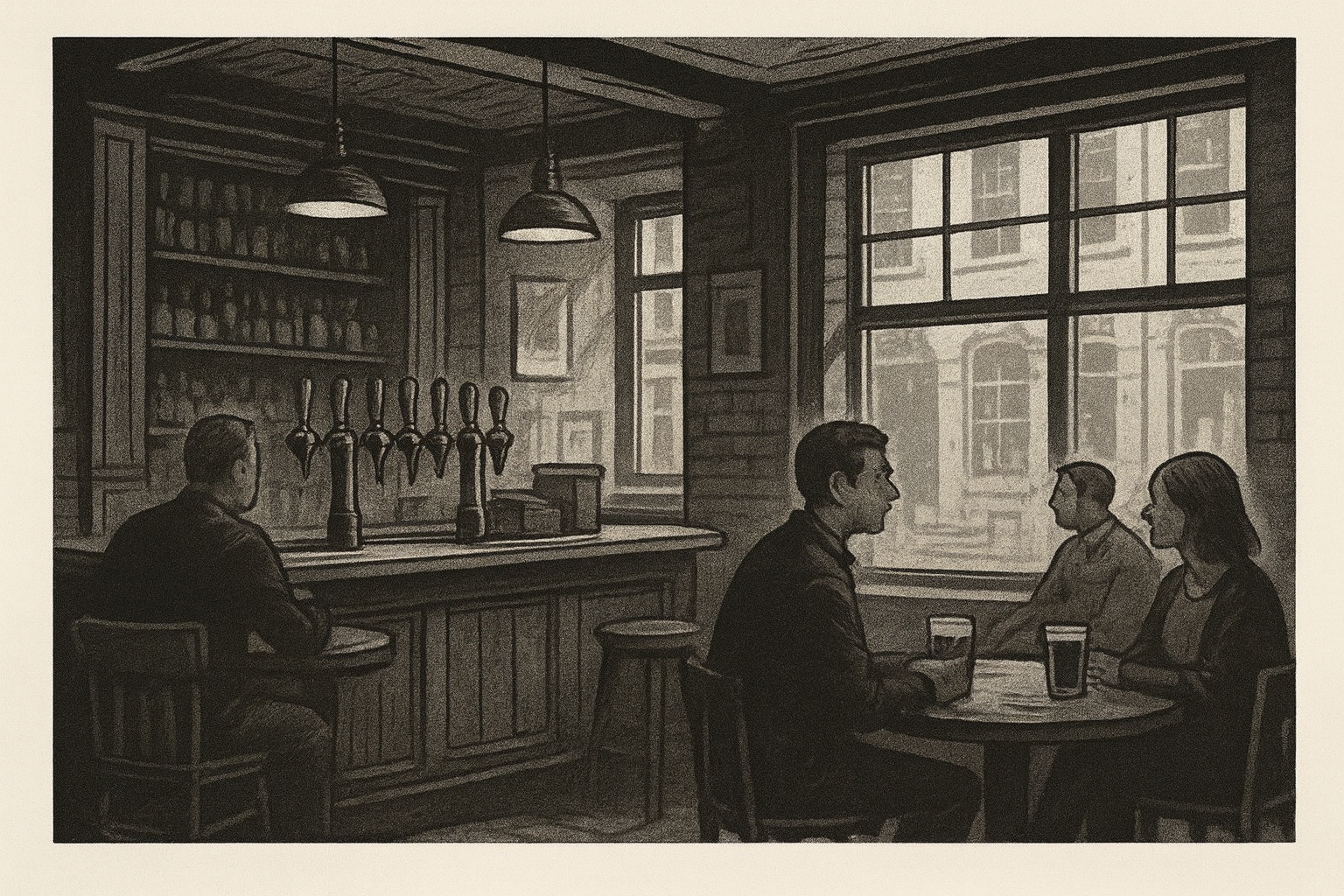
Manchester has always had a distinctive relationship with its pubs. They are more than drinking establishments; they are places where football fans argue over matches, bands play their first sets, and neighbours exchange the news of the week. The city’s history of industry and working-class resilience shaped a pub culture rooted in conversation and community. Many of the city’s defining movements — from music to politics — began around a pint. A pub in Manchester still functions as a social anchor, even as its form continues to evolve.
The COVID-19 pandemic changed the way people approached drinking and socialising. Chains streamlined operations, while independent pubs had to reinvent themselves to survive. Many leaned on takeaway pints, local partnerships, or hybrid roles — part café, part social hub. As restrictions lifted, something unexpected happened: instead of vanishing, the love for local pubs deepened. Mancunians sought comfort in smaller, personality-driven venues rather than returning exclusively to big chains. That shift reflected a national trend but was especially strong in Manchester, a city known for loyalty to its local identity.
However, the affection people feel for pubs doesn’t automatically translate into profit. The hospitality landscape in the UK remains volatile. Rent, wages, and energy prices rose faster than average income. Yet entrepreneurs continue to explore the idea of opening new pubs in Manchester. Some are drawn by nostalgia, others by the promise of community engagement or creative branding. The question is whether those motivations can survive the day-to-day financial and operational realities of running one.
Opening a new pub in Manchester requires more than enthusiasm. It demands an understanding of the city’s changing consumer habits, its seasonal rhythms, and its competitive pressures. This article examines those realities — costs, regulations, competition, and the city’s distinctive cultural and environmental factors — to help future owners decide whether a new Manchester pub represents a promising venture or a romantic gamble.
Counting the Costs and Chasing the Margins
The financial groundwork of opening a pub in Manchester is more complicated than it first appears. The initial investment can range from £150,000 to £500,000, depending on whether the premises is leased or purchased, the state of the property, and the chosen location. Leasehold pubs in central Manchester command high rents, while properties in suburban or up-and-coming areas often cost less but require significant refurbishment. Refitting costs — including plumbing, electrical systems, bar installation, and seating — can add £40,000 to £100,000, especially when opting for quality fittings such as hardwood counters, durable flooring, and comfortable commercial furniture that balance durability with style.
Operating costs make or break new pubs. Staff wages are a major expense, with the National Living Wage rising and hospitality shortages pushing wages even higher. A small pub with five to ten employees could spend £10,000 to £15,000 monthly on staffing alone. Energy bills have also become unpredictable, often doubling within a year. Add supplier costs, waste disposal, insurance, and entertainment licensing, and monthly overheads can easily exceed £25,000.
Margins in the pub industry are notoriously thin. On average, profit margins hover around 10–15%, often lower during the first year. Food service can improve profitability, but it also complicates operations and staffing. Drinks alone rarely carry a sufficient markup to sustain a business unless volume is high. Pubs that develop a distinctive identity — local craft offerings, live events, or a strong thematic concept — often manage better margins because they can justify slightly higher prices.
Location heavily influences both costs and potential revenue.
- Northern Quarter: Trendy and footfall-heavy but expensive, with rent sometimes exceeding £50,000 annually.
- Chorlton: Affluent and supportive of independent businesses, though competition is strong.
- Ancoats: A growing hotspot for young professionals, suitable for boutique or hybrid pubs.
- Didsbury: Family-oriented and less nightlife-driven, but steady business from locals.
- Salford: Lower property prices but varying demand depending on the exact area.
Seasonal and economic fluctuations hit pubs hard. Summer often brings outdoor events and higher turnover, while January and February tend to be quiet. Energy-intensive winter months erode profits despite increased indoor attendance. Supply costs — from beer kegs to kitchen goods — are sensitive to inflation and Brexit-related import issues. Successful operators prepare cash buffers and negotiate long-term supplier contracts to stabilise expenses.
In short, opening a pub in Manchester is financially feasible but capital intensive. The venture rewards preparation and local insight rather than optimism. Those who treat it like a passion project often underestimate the sheer administrative and financial weight involved.
Where the Crowds Gather — and Where They Don’t
Manchester’s population is dense, but not all crowds spend money the same way. Understanding where people congregate, and when, determines whether a pub survives its first year. The city’s geography divides naturally between entertainment corridors, residential hubs, and transitional spaces.
Deansgate and Spinningfields draw heavy evening traffic from professionals and visitors. These areas suit upscale pubs with modern interiors and premium pricing. The challenge is high rent and fierce competition from established bars and restaurants. Many newcomers underestimate how much marketing and event programming it takes to stand out in that environment.
The Northern Quarter attracts younger audiences — students, creatives, and tourists looking for indie character. Pubs there thrive on individuality: quirky menus, craft beers, and live music nights. Yet the area’s success brings saturation. Opening a pub here without a distinct concept risks being overlooked.
Chorlton and Didsbury, by contrast, benefit from stable local populations. Residents frequent familiar venues rather than chasing trends, and pubs that engage with community events or local charities often gain loyalty. Turnover is steady, but weekday trade can be light. Salford, meanwhile, has developed pockets of promise, particularly around MediaCity and Chapel Street, though some neighbourhoods remain unpredictable for hospitality ventures.
Suburban growth has shifted part of Manchester’s drinking culture. Many people now prefer staying local rather than commuting to the city centre, particularly on weekdays. Pubs that feel authentic, comfortable, and close to home appeal more than flashy venues. Parking, accessibility, and outdoor space influence these choices more than décor.
Foot traffic isn’t the only metric. Noise restrictions, zoning permissions, and licensing hours vary across the city. Some residential zones have strict limits on amplified music or closing times. Entrepreneurs must assess not only where people drink, but where they are allowed to drink late. A location that looks perfect on a map can become unworkable once noise complaints or council restrictions emerge.
Manchester’s pub landscape rewards research. Mapping where crowds flow — after work, on match days, or during local festivals — provides data that can guide investment. Pubs prosper where convenience meets belonging. A newcomer who learns those rhythms before opening stands a better chance of becoming part of the city’s nightlife rather than a brief addition to it.
Weather, Mood, and Market Rhythm
Manchester’s weather shapes its hospitality habits more than outsiders realise. With around 150 rainy days a year, outdoor beer gardens attract less business than in southern England. Instead, interior comfort becomes the selling point. Warm lighting, well-chosen furnishings, and soft acoustics encourage longer stays. The rhythm of the market follows the rhythm of the weather: heavy footfall in winter evenings, lighter summer crowds who migrate to festivals and open-air events.
Successful pubs adapt their atmosphere to the climate. High-quality insulation, reliable heating, and well-managed ventilation keep patrons comfortable during damp months. Design choices matter. Wooden textures, subdued lighting, and layered seating arrangements create intimacy. Some operators have introduced seasonal adaptations — mulled drinks in winter, light menus and local ales in spring — to align with changing moods.
The weather also influences stock and staffing. Cold months demand more indoor service and hot drinks, while summer requires leaner staff schedules but more event planning. Understanding this cycle prevents both overstaffing and shortages.
Beyond logistics, weather affects the emotional side of hospitality. Manchester’s grey skies encourage social warmth indoors. Locals value pubs that radiate character and reliability. A pub that becomes known as a place to “ride out the rain” builds emotional attachment. That attachment translates into repeat customers — the real foundation of pub longevity.
Regulations, Red Tape, and the Realities of Running It
Running a pub involves navigating a complex legal landscape. The cornerstone is the Premises Licence, granted under the Licensing Act 2003. It covers alcohol sales, entertainment, and opening hours. Applicants must also hold a Personal Licence to authorise sales. The process involves background checks, local authority approval, and compliance with public safety standards.
Health and safety regulations are extensive. Fire safety inspections, food hygiene certification, and risk assessments are mandatory. Waste management rules require proper disposal of cooking oil, glass, and recycling. Breaching these standards can lead to fines or temporary closure. Pubs must also maintain an age verification policy and record staff training for responsible service.
Noise control is another critical factor. Manchester City Council monitors complaints, particularly in residential areas. Pubs near housing must manage soundproofing, door control, and outdoor smoking zones carefully. Late-night operation often requires an additional variation on the licence, with strict conditions.
Business rates and VAT add another financial layer. Rates depend on property valuation and can reach tens of thousands annually. While some relief schemes exist for small businesses, eligibility criteria change frequently. Professional accounting support is essential to stay compliant.
Running a pub also demands awareness of employment law. Staff contracts, working hour limits, and pension contributions require administration. Turnover in hospitality jobs remains high, meaning continuous recruitment and training. A reliable management system helps maintain legal clarity.
Many first-time owners underestimate how time-consuming compliance can be. Meeting the paperwork requirements, liaising with the council, and passing periodic inspections consume hours each week. Yet these routines protect the business from future disputes or penalties. In Manchester, where local authorities actively monitor nightlife operations, diligence is not optional but fundamental to survival.
The Local Competition and the Modern Pub Identity
Manchester’s pub scene has evolved from traditional taverns to hybrid venues blending food, music, and community events. Independent pubs face pressure from large chains but maintain an advantage through character and authenticity. Customers increasingly favour venues that feel distinct rather than corporate.
Successful modern pubs develop a clear identity. Some build reputations through local craft beer collaborations, while others focus on distinctive menus that blend British classics with global influences. Themed pubs — from retro arcade bars to literature-inspired lounges — attract specific audiences willing to spend more for novelty. Yet superficial gimmicks rarely sustain success; consistent quality and community integration matter more.
Competition is intense. Within a two-mile radius of the city centre, hundreds of licensed venues operate. Digital visibility now matters almost as much as physical presence. Google reviews, social media engagement, and event listings drive footfall. A pub that communicates well online can compete even with bigger budgets.
Examples of resilience exist. Venues like The Marble Arch and The Britons Protection maintain loyal followings by pairing traditional interiors with independent brewing. Others, like YES in Charles Street, succeed by blending music, art, and food into an inclusive atmosphere. Each thrives because it offers something unmistakably its own.
New entrants should assess what niche remains under-served. There is room for innovation in low-alcohol or alcohol-free concepts, sustainability-driven operations, and family-friendly designs. Manchester’s pub-goers are open-minded but discerning. They support businesses that reflect local character rather than imitate London trends.
A modern pub in Manchester needs not just alcohol but identity. It must tell a story that connects to the area’s rhythm and people. Without that story, even the most beautiful interior remains background noise in a city already filled with choice.
The Human Side: Staff, Patrons, and Daily Reality
Running a pub demands stamina. Long hours, fluctuating crowds, and unpredictable problems define the daily rhythm. Opening and closing tasks stretch from early morning deliveries to late-night clean-ups. The job often consumes weekends and holidays. For owners who work behind the bar themselves, physical and emotional exhaustion is common.
Staffing remains one of the toughest challenges. Post-Brexit labour shortages and rising living costs have made it difficult to recruit reliable employees. Training takes time, and high turnover increases pressure on the remaining team. Successful managers invest in creating a sense of loyalty through communication, fair scheduling, and genuine respect.
Customer interaction defines the atmosphere. Regular patrons form the backbone of business, providing steady income even during slow weeks. Managing difficult or intoxicated customers, however, requires composure and clear boundaries. Security considerations — from door policies to CCTV maintenance — are part of daily management, not afterthoughts.
The human element also provides the greatest reward. Pubs that cultivate relationships become small communities in themselves. Birthdays, reunions, and farewells take place under the same roof, turning the establishment into a familiar constant in local lives. That emotional connection can sustain a pub even through financially challenging periods.
Still, no romantic view of pub culture should obscure the workload involved. Owners who thrive in this business are those who enjoy both people and pressure. The ability to adapt daily — to weather shifts in mood, staffing, and stock — separates enduring pubs from short-lived ventures.
The Bottom Line — Heart Versus Head
Opening a pub in Manchester involves balancing ambition with realism. The heart may long to revive the social energy of the traditional British pub, but the head must calculate how to keep the doors open. The city still welcomes new venues, yet the threshold for success has risen. Consumers demand authenticity, comfort, and good value, all delivered within a sustainable business model.
The most promising opportunities lie in well-researched neighbourhoods, smaller spaces with controlled costs, and concepts that speak to community values. Manchester’s loyalty to local identity remains strong; pubs that genuinely participate in that identity stand a better chance of longevity. Those that underestimate the complexity of regulation, staffing, or cash flow often fade within their first three years.
The truth is that pubs in Manchester still matter. They host the conversations that shape the city’s spirit, from football debates to music collaborations. But that cultural weight doesn’t guarantee profitability. Opening one today requires strategic discipline as much as social charm.
For those willing to combine careful planning with community purpose, Manchester offers potential worth the risk. The modern pub is no longer just about pints and profit margins. It is about creating a consistent presence in a city that values connection. In the end, success depends not on how much you pour, but on how much presence and persistence you bring to the table. Opening a pub in Manchester, then, is neither purely a dream nor purely a business plan — it is a commitment to the daily craft of belonging.
May Also Read: Prosecchini Unveiled: Exploring the Trendy Italian Aperitivo Culture