
In today’s interconnected world, maintaining reliable communication channels has become essential for organizations and individuals alike. While most people depend on traditional phone networks and internet-based services, there exists a specialized communication solution that operates entirely independent of conventional infrastructure—the red phone signal system.
Understanding Red Phone Technology
A red phone represents a unique approach to voice communication that breaks free from the limitations of terrestrial networks. Unlike standard telephone services that rely on ground-based infrastructure, this innovative system harnesses the power of satellite technology to create an always-available communication channel.
The service operates through the Ground Control satellite network, positioning itself as a truly independent communication platform. This independence means that any red phone can connect with another red phone at any time, regardless of what’s happening on the ground below.
How the Satellite Network Powers Communication
The foundation of this communication system lies in its satellite-based architecture. By utilizing satellites positioned approximately 22,000 miles above the equator, the network establishes a connection that remains unaffected by terrestrial disruptions.
This off-grid VoIP phone service functions as a specialized calling platform exclusively for users within the same network. While it doesn’t provide PSTN access—meaning calls to regular phone numbers aren’t possible—it excels at maintaining reliable connections between red phone users across vast distances.
The Economic Advantage
One of the most appealing aspects of this service involves its cost structure. Users don’t face per-minute charges for their calls. Instead, the only expense comes from the minimal data transmission required to establish and maintain the satellite link during conversations. This small amount of data usage makes the service economically attractive for organizations that need consistent communication capabilities.
Why Organizations Choose Satellite Communication

Many organizations have traditionally relied on VoIP systems or their PBX infrastructure to handle daily communication needs. These phone provider services work well under normal circumstances, but they share a common vulnerability—dependence on the internet or terrestrial lines.
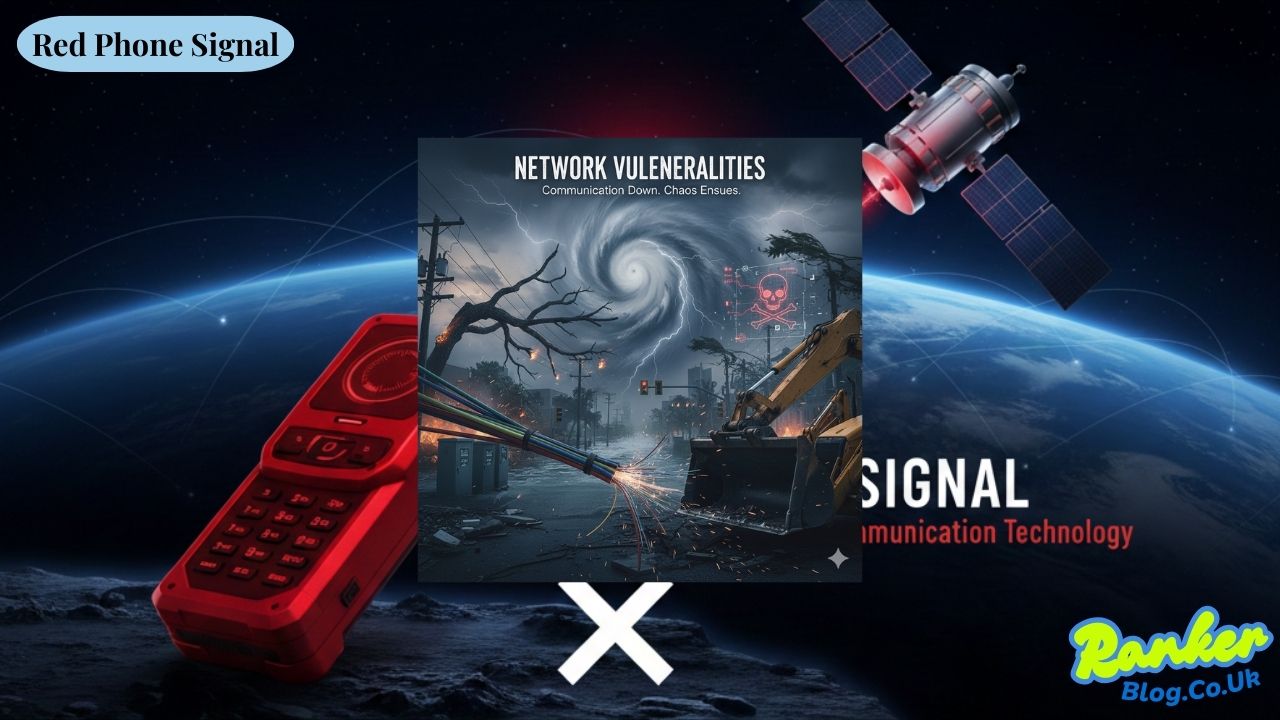
The Reality of Network Vulnerabilities
Ground-based communication networks face numerous threats that can take them offline without warning. A backhoe working on construction projects might accidentally sever critical fiber optic cables. Fallen trees during storms can damage overhead lines. Floods can submerge equipment and render entire communication hubs inoperable.
The threats extend beyond natural occurrences. Cyber terrorists actively target communication infrastructure, seeking to disrupt services and create chaos. Lightning strikes can damage sensitive electronic equipment. Hurricanes bring devastating winds and flooding that compromise multiple infrastructure components simultaneously.
These are just a few of the many reasons communications could be taken offline. Each incident, whether natural or human-caused, has the potential to isolate organizations from their critical contacts precisely when communication matters most.
The Satellite Solution for Critical Locations
Organizations that understand these vulnerabilities take proactive steps to protect their communication capabilities. To maintain a voice link to all critical locations, they recognize that traditional terrestrial options leave them exposed to risk.
The only viable means of ensuring uninterrupted communication involves satellite technology. This approach inherently avoids all localized and widespread outages because the signal path doesn’t travel through vulnerable ground infrastructure. Instead, the communication link exists in orbit, far above the chaos and disruption that affects earth-based systems.
Independent Communication Architecture

The genius of this system lies in its complete independence. By being independent of any terrestrial network, the technology sidesteps the entire category of infrastructure-based failures. When floods wash away cell towers, when construction crews accidentally cut cables, when cyber attacks target internet service providers, he satellite network continues functioning normally.
This independence creates a parallel communication channel that remains available when primary systems fail. Organizations can designate certain personnel with these specialized devices, knowing that regardless of circumstances on the ground, these individuals can reach each other.
Real-World Applications
Emergency response teams find particular value in this technology. When natural disasters strike and conventional phone networks collapse, first responders equipped with these devices can coordinate their efforts without interruption.
Large corporations with geographically dispersed operations use the system to maintain executive communication channels. If a cyber attack takes down their primary VoIP infrastructure, leadership can still connect through their satellite-based backup.
Remote facilities in areas with limited infrastructure benefit from the consistent connectivity. Whether it’s a research station, a mining operation, or a maritime vessel, the satellite link provides reliable communication where terrestrial options simply don’t exist or prove unreliable.
The Technical Foundation
The system functions through a straightforward principle: instead of routing signals through multiple ground-based relay points, the phone signal travels directly to a satellite and back down to the recipient’s device. This direct path eliminates the vulnerability points that plague traditional networks.
The VoIP technology at the system’s core converts voice into data packets, but unlike standard VoIP services that traverse the internet, these packets travel through the dedicated satellite network. This separation from public networks provides both security and reliability advantages.
Making the Connection
When a user initiates a call, their device establishes a link with the satellite overhead. The satellite receives the signal and identifies the intended recipient. It then routes the call directly to that person’s device, creating a secure point-to-point connection that exists entirely outside conventional communication infrastructure.
This process happens seamlessly from the user’s perspective. They simply select a contact and place the call, just as they would with any phone. The complex satellite routing occurs automatically in the background.
Planning for Communication Resilience
Organizations serious about maintaining communication during crises incorporate these satellite-based solutions into their broader resilience strategies. They identify which roles and locations absolutely must maintain connectivity, then deploy the appropriate technology to ensure that capability.
This planning process involves assessing potential threats, identifying critical communication paths, and implementing redundant systems that operate on different principles. The satellite option serves as the ultimate backup because it doesn’t share failure modes with terrestrial systems.
The Future of Resilient Communication
As organizations become more aware of infrastructure vulnerabilities, interest in satellite-based communication solutions continues to grow. The technology proves particularly relevant in an era where cyber threats multiply, and climate-related disasters become more frequent and severe.
The ability to maintain voice communication when everything else fails represents more than a technical achievement—it’s a strategic advantage that can mean the difference between managing a crisis effectively and losing control of the situation entirely.
Also Read: CNLawBlog Your Guide to Understanding Chinese Law