
Introduction
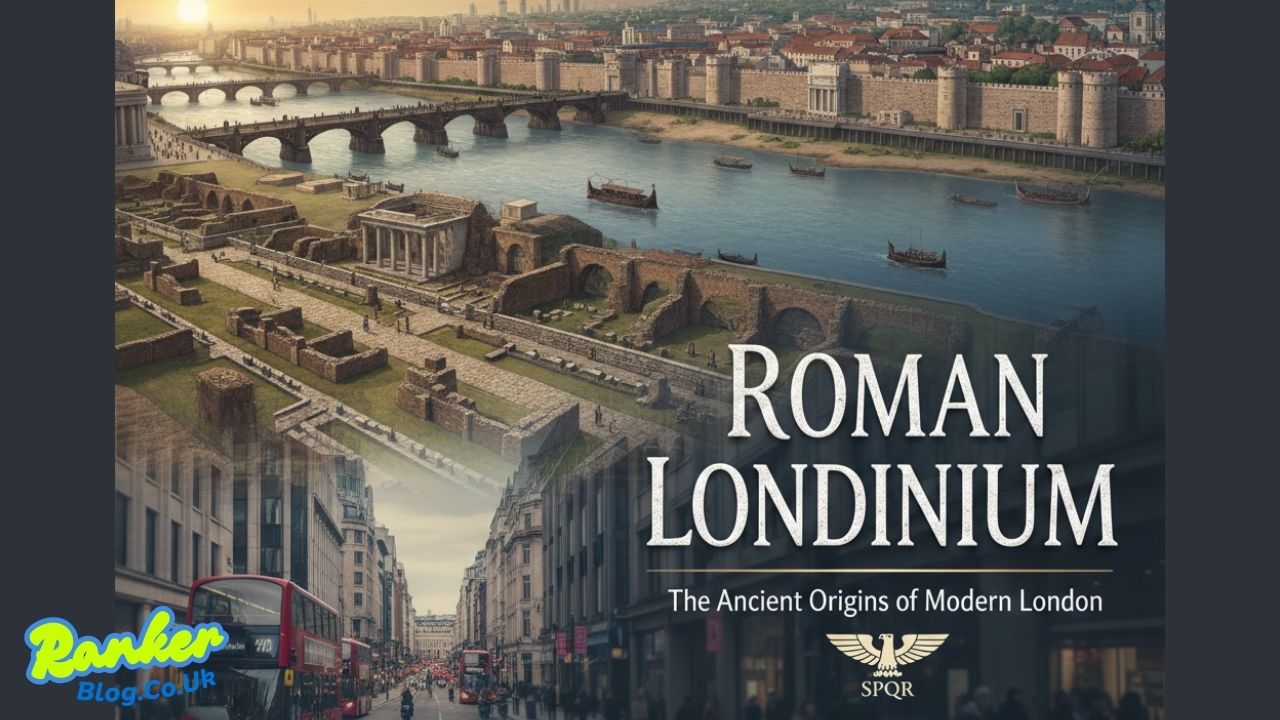
Beneath the bustling streets of modern London lies a fascinating ancient world waiting to be discovered. Roman Londinium, the settlement established nearly two millennia ago, represents the true foundation of one of the world’s greatest cities. This remarkable Roman town emerged as a vital hub in ancient Britain, connecting the island to the vast Roman Empire.
The story of Londinium begins around 47-50 CE, when Roman engineers and settlers recognized the strategic potential of a site along the River Thames. For nearly four centuries, until approximately 410 CE, this settlement thrived as a major commercial and administrative center in Roman Britain. The legacy of this ancient city continues to shape the geography, culture, and character of London today.
Understanding what London was called before the Romans requires looking back to a time when the area was largely marshland with scattered Celtic settlements. The Romans transformed this landscape into a thriving urban center that would eventually become one of the most important cities in their empire.
Foundation and Early Development
The establishment of Londinium followed closely on the heels of the Roman invasion of Britain in 43 CE. Roman military strategists immediately recognized the advantages of the Thames location. The river provided a natural highway for trade and military movements, while the surrounding terrain offered defensible positions for a growing settlement.
The early settlement structure reflected typical Roman urban planning principles. Engineers constructed a wooden bridge across the Thames, creating a crucial crossing point that would define the city’s importance for centuries to come. Initial inhabitants included Roman soldiers, traders, craftsmen, and administrators, along with local Britons who saw opportunities in the new settlement.
However, the young town faced its first major crisis during Boudica’s revolt in 60/61 CE. The Celtic queen led a massive uprising against Roman rule, and Londinium became one of her primary targets. Archaeological evidence reveals a thick layer of burnt debris from this period, testimony to the destruction that befell the settlement. The Roman historian Tacitus recorded that the city was abandoned to the flames, with thousands perishing in the assault.
Yet the Romans demonstrated their commitment to Britain by rebuilding Londinium on an even grander scale. The reconstruction transformed the settlement from a modest trading post into a proper Roman city, complete with all the infrastructure and amenities expected in the empire.
Urban Infrastructure and Architecture
The rebuilt Londinium showcased impressive Roman engineering and architectural prowess. The city walls became one of the settlement’s most distinctive features. Constructed with Kentish ragstone, these fortifications stretched approximately two miles in circumference, protecting the urban core and its inhabitants. Portions of the Roman wall of Londinium remain visible today, silent witnesses to the city’s ancient past.
The Roman bridge across the Thames stood as a marvel of engineering. Located near the site of modern London Bridge, this structure facilitated trade and communication between the northern and southern parts of Roman Britain. The bridge’s strategic importance cannot be overstated—it made Londinium the natural focal point for the road network radiating across the province.
At the heart of the settlement stood the forum and basilica, which served as the administrative and commercial center. This massive complex rivaled similar structures throughout the Roman Empire in both size and sophistication. Here, merchants conducted business, officials administered justice, and citizens gathered to discuss the affairs of the day.
The Londinium amphitheatre provided entertainment for the city’s residents. Discovered in 1988 beneath the Guildhall, this elliptical arena could accommodate thousands of spectators who came to watch gladiatorial contests, animal hunts, and public executions. The amphitheatre represents a key element of Roman culture transplanted to British soil.
Public bathhouses offered residents places to cleanse, socialize, and conduct business. These elaborate complexes featured heated rooms, cold plunge pools, and exercise areas. Multiple temples dedicated to Roman deities dotted the urban landscape, serving the spiritual needs of the diverse population.
The road network connected Londinium to every corner of Roman Britain. Major routes led to important settlements like Verulamium, Camulodunum, and Eboracum. These well-engineered roads facilitated the movement of troops, trade goods, and information throughout the province.
Roman engineers also constructed sophisticated water supply and drainage systems. Aqueducts brought fresh water into the city, while underground sewers removed waste. These innovations in sanitation contributed to public health and the city’s livability.
Economic Life and Trade
Londinium flourished as a major port and commercial hub, drawing merchants from across the Roman Empire and beyond. Ships laden with exotic goods sailed up the Thames, transforming the settlement into a cosmopolitan trading center that rivaled ports throughout the empire.
Archaeological excavations have revealed the remarkable diversity of trade goods that flowed through the city. Imported items included wine and olive oil from the Mediterranean, fine pottery from Gaul, glassware from the Rhineland, and luxury goods from as far as India and China. In return, Britain exported grain, metals (particularly tin, lead, and silver), hunting dogs prized throughout the empire, and woolen textiles.
Evidence of workshops and industries throughout the settlement demonstrates that Londinium was not merely a transshipment point but also a center of production. Craftsmen produced pottery, metalwork, leather goods, and textiles. Blacksmiths forged tools and weapons, while other artisans created jewelry and decorative objects for local consumption and export.
The currency and economic systems operating in Londinium reflected the city’s integration into the broader Roman economy. Roman coins circulated freely, facilitating trade and commerce. Merchants used standardized weights and measures, while the legal framework governing commerce followed Roman law.
Merchant communities from various parts of the empire established themselves in the city, creating a multicultural commercial environment. These traders brought not only goods but also ideas, customs, and religious practices that enriched the cultural life of the settlement.
Society and Daily Life
The population composition of Londinium reflected the diversity typical of major Roman urban centers. Romans from Italy and other provinces mingled with Romanized Britons, creating a cosmopolitan society. Estimates suggest the population may have reached 30,000-60,000 at its peak, making it the largest settlement in Roman Britain.
Social hierarchy and class structure followed Roman patterns. At the top stood Roman officials, wealthy merchants, and landowners. The middle ranks included soldiers, shopkeepers, and skilled craftsmen. Slaves and freedmen occupied the lower tiers of society, performing manual labor and domestic service.
Housing types varied dramatically according to social status. Wealthy residents lived in spacious villas featuring mosaic floors, painted walls, and hypocaust heating systems. These comfortable homes often included private gardens and sophisticated amenities. Middle-class families occupied townhouses of more modest proportions, while the poor crowded into simple wooden structures or apartments.
Food and diet in Londinium combined traditional British fare with Roman culinary influences. Archaeological remains reveal that residents consumed bread, porridge, vegetables, fruits, meat, and fish. Those who could afford it enjoyed imported delicacies like dates, figs, and wine. Street vendors sold prepared foods, while wealthier households employed cooks to prepare elaborate meals.
Entertainment and leisure activities provided welcome diversions from daily routines. Beyond the spectacles at the amphitheatre, residents enjoyed board games, dice games, and gambling. Public baths served as social centers where people relaxed and gossiped. Taverns offered food, drink, and conversation.
Religion and Culture
The religious landscape of Londinium demonstrated the characteristic Roman tolerance for diverse beliefs. Roman temples dedicated to the traditional pantheon stood throughout the city. Jupiter, Juno, Minerva, and other major deities received worship and offerings from the faithful.
Evidence of religious syncretism with Celtic traditions appears in archaeological findings. Romano-Celtic hybrid deities emerged as Roman settlers and native Britons found common ground in their spiritual practices. This blending of traditions created a unique religious culture distinct to Roman Britain.
The Mithraeum discovered in 1954 represents one of Londinium’s most significant religious sites. This temple, dedicated to the mysterious god Mithras, served a cult popular among soldiers and merchants. The beautifully preserved remains include sculptures and ritual objects that provide insight into this esoteric religion.
Other religious sites included shrines to exotic eastern deities like Isis and Serapis, reflecting the cosmopolitan character of the port city. Even early Christianity may have had a presence in Londinium, though direct evidence remains scarce.
Cultural practices and burial customs followed Roman traditions, adapted to local circumstances. The dead were cremated or buried outside the city walls, in accordance with Roman law. Grave goods and tombstone inscriptions provide valuable information about individuals who lived in the ancient city.
Decline and Legacy
Multiple factors contributed to Londinium’s decline during the 4th and 5th centuries. Economic troubles throughout the Roman Empire reduced trade and prosperity. Barbarian raids threatened the province’s security, while political instability weakened central authority. The city’s population began to shrink as residents moved to more secure rural areas.
The withdrawal of Roman administration around 410 CE marked the end of Londinium as a functioning Roman city. When Emperor Honorius told the Britons to look to their own defenses, the complex administrative and economic systems that sustained urban life began to collapse. The city didn’t disappear overnight, but its character changed fundamentally.
Archaeological discoveries continue to reveal new insights about Roman Londinium. Construction projects regularly uncover artifacts, building foundations, and other remains that expand our understanding. Major finds like the Bloomberg tablets—wooden writing tablets preserving everyday documents—provide intimate glimpses into ancient lives.
The influence of Londinium on modern London’s geography remains clearly visible. The City of London, the historic core, occupies roughly the same area as the Roman settlement. Many modern streets follow the paths of Roman roads. The Thames crossing that the Romans established continues to define London’s geography.
Preservation efforts and modern understanding of Roman Londinium have advanced significantly. Museums display artifacts recovered from excavations. Portions of the wall of Londinium stand protected as ancient monuments. Digital reconstructions help visitors visualize how the ancient city appeared at its height.
Conclusion
The historical importance of Londinium extends far beyond its role as an ancient settlement. This Roman city laid the literal and figurative foundations for modern London, establishing patterns of trade, governance, and urban development that persist to this day. The Londinium meaning encompasses more than just an ancient name—it represents the transformation of Britain through Roman civilization.
The lasting impact on British history and London’s development cannot be overstated. Roman engineering, law, language, and culture profoundly influenced the island’s trajectory. While the Roman Empire fell, many of its innovations survived and evolved, becoming integrated into British life.
Ongoing archaeological work promises future discoveries that will deepen our understanding of this fascinating period. Every excavation potentially yields new information about how people lived, worked, worshipped, and died in Roman Britain’s greatest city. The story of Londinium continues to unfold, connecting modern Londoners to their ancient predecessors and reminding us that great cities are built on layers of history.
A Londinium map reveals the compact yet sophisticated layout of the ancient settlement, while explorations of sites from the forum to the amphitheatre bring the past to life. Though we cannot visit a Londinium tower or enjoy Londinium espresso as we might imagine, we can walk the same ground, trace the same streets, and marvel at the achievements of those who built one of the Roman world’s most remarkable cities. The legacy of Roman London endures, inviting each generation to discover the ancient roots of a modern metropolis.
Also Read: How Telehandlers Improve Efficiency on Construction and Farm Sites