
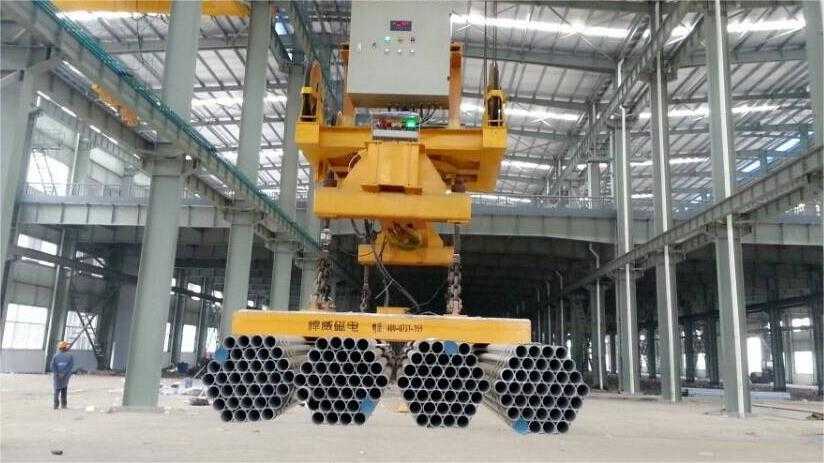
Lifting magnet technology has become one of those practical innovations that quietly improves how work gets done. It may not always get the spotlight, but in industries that deal with heavy metal parts, covers, plates, and components, especially when teams are dealing with jammed or frozen lids, it can make a real difference. The biggest advantage is simple: it helps workers lift and move ferrous metal items with more control, less strain, and better safety.
That matters more than ever. Businesses today are under pressure to work faster, reduce injuries, and keep projects moving without delays. When a tool can save time, improve handling, and make demanding tasks feel more manageable, it quickly becomes valuable. That is exactly why lifting magnets are gaining attention across a range of industries.
Construction and civil engineering
Construction and infrastructure projects depend on efficient handling of heavy materials, and this is one area where lifting magnet technology proves its worth almost immediately.
Easier movement of metal covers and components
On busy job sites, teams often need to lift and position steel elements, access covers, frames, and other heavy metal parts. Doing that manually can be awkward, slow, and physically exhausting. A lifting magnet helps simplify the process by giving workers a more direct and controlled way to handle these pieces.
This can be especially helpful when precision matters. Instead of wrestling with weight and grip at the same time, crews can focus more on positioning and task flow. That leads to a smoother job site and less wasted effort.
Better safety for workers
Heavy lifting always comes with risk, especially when workers have to bend, pull, or lift from uncomfortable angles. Lifting magnet technology helps reduce that strain. It lowers the chance of hand injuries, back stress, and slips caused by poor grip or rushed lifting methods.
Fun fact: Magnets have been studied and used by humans for thousands of years, but modern industrial magnets have transformed that ancient principle into a highly practical workplace tool.
Manufacturing and metal fabrication
Few sectors benefit from lifting magnets as naturally as manufacturing and fabrication. These environments are filled with repeated movement of metal parts, and even small improvements in handling can have a big effect over time.
Faster material handling on the floor
In fabrication shops and manufacturing plants, time matters. Workers may need to move sheets, plates, cut parts, or machine components from one station to another all day long. A lifting magnet can speed up that process without adding unnecessary complexity.
The benefit is not only about saving seconds. It also helps create a more consistent workflow. When materials can be moved quickly and securely, production becomes more efficient and less frustrating for the team.
Less wear on workers during repetitive tasks
Repetition is one of the biggest hidden challenges in industrial environments. Even when individual lifts seem manageable, repeating the same movement throughout the day adds up. Over time, that can lead to fatigue and physical stress.
Lifting magnets help reduce that burden. They support a more ergonomic way of working and can make physically demanding jobs more sustainable for the people doing them. In industries where retention and safety both matter, that is a meaningful advantage.
Utility, maintenance, and public works
Utility crews and maintenance teams often work in demanding outdoor or industrial environments, and they need tools that are reliable, simple, and effective.
Practical support for everyday field work
These teams may deal with heavy metal covers, access points, equipment housings, and service components that need to be opened or moved regularly. A lifting magnet can make these routine tasks faster and safer, especially when workers are on tight schedules or dealing with repeated service calls.
That kind of everyday efficiency is easy to underestimate, but it adds up quickly. When teams spend less time struggling with basic lifting tasks, they can focus more energy on inspection, repair, and problem-solving.
Helpful in demanding conditions
Maintenance work does not always happen in ideal conditions. Crews may be working in rain, dust, heat, or cramped spaces. In those moments, tools that reduce awkward handling become even more useful. Lifting magnets can offer a cleaner, more controlled way to manage heavy metal items without relying only on brute force.
Fun fact: Some industrial magnets are strong enough to lift objects weighing many times more than the magnet itself, which makes them surprisingly efficient for their size.
Warehousing and logistics
Warehouses and logistics operations are built around movement, timing, and control. Any tool that improves those three factors has real value.
Smoother handling of metal inventory
Facilities that store and move metal products, parts, or equipment can benefit from lifting magnet technology during loading, unloading, sorting, or repositioning tasks. Instead of relying entirely on manual handling, workers can use magnets to improve control and reduce strain.
This is especially useful when dealing with irregularly shaped metal items that are difficult to grip comfortably. Better handling can also help prevent accidental drops and product damage.
Greater efficiency across repeated tasks
In logistics, repetition is constant. The same types of items may be moved dozens or even hundreds of times in a week. Lifting magnets help make those repeated actions faster and more consistent. Over time, that can support better productivity and a safer workplace culture.
Scrap processing and recycling
The recycling and scrap industries deal with metal in large volumes, which makes lifting magnet technology especially relevant.
A smarter way to handle heavy ferrous materials
Sorting, moving, and repositioning metal scrap can be messy and demanding. Lifting magnets help workers manage ferrous materials more effectively while reducing the need for direct contact with sharp or awkward pieces. That makes day-to-day operations more practical and safer.
Supporting cleaner, quicker workflows
Recycling depends on sorting and movement. When metal materials can be handled more efficiently, the entire process benefits. This can help improve speed, reduce worker fatigue, and support a more organized work area, all of which matter in fast-paced environments.
Why these industries keep turning to lifting magnets
Across construction, fabrication, maintenance, logistics, and recycling, the same pattern appears again and again. Businesses want tools that improve safety, reduce physical strain, and make heavy lifting tasks more efficient. Lifting magnet technology checks all of those boxes without overcomplicating the work.
Its value comes from being practical. It helps people do hard jobs with better control and less effort. That is why so many industries are benefiting from it, and why its role is likely to keep growing as workplaces continue to prioritize smarter, safer ways of getting the job done.