
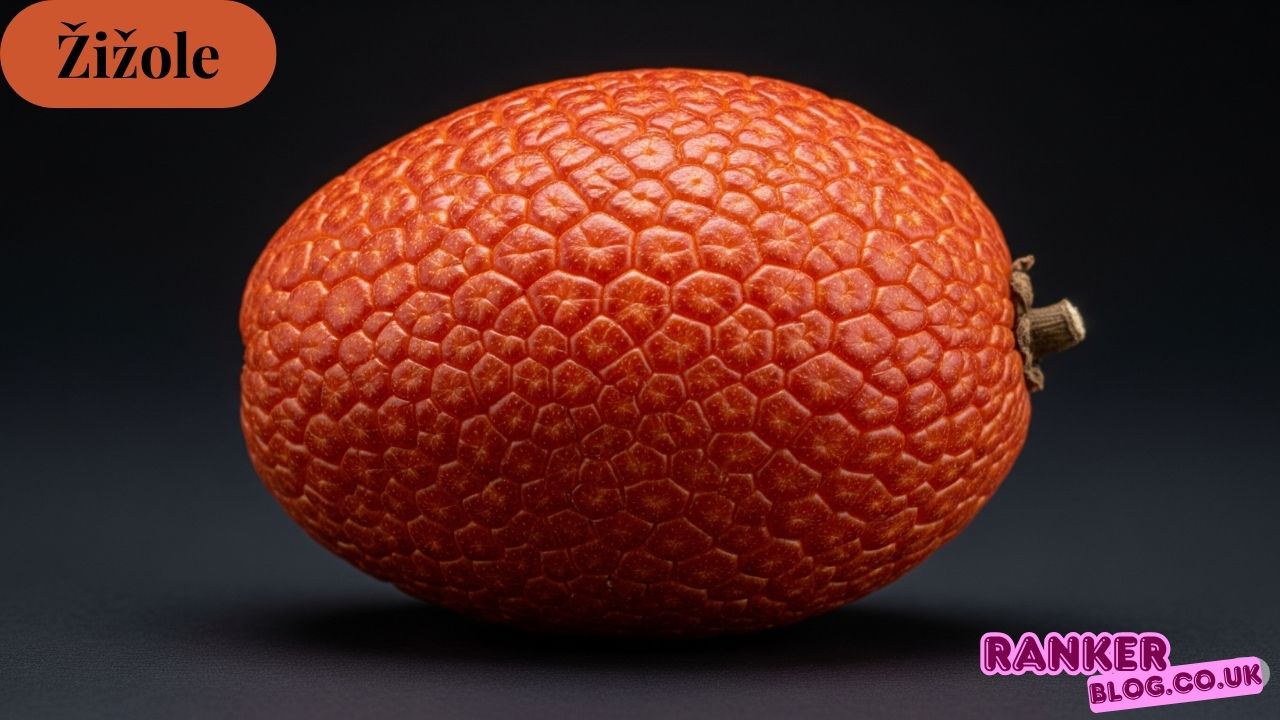
Žižole, also known as jujube or Chinese dates, are small reddish-brown fruits that have been cultivated for thousands of years. Despite their long history, žižole are still relatively unknown to many outside of Asia and parts of the Mediterranean. However, they are slowly making a comeback due to their impressive health benefits, delicious taste, and versatility in the kitchen.
In this article, we’ll uncover everything you need to know about žižole—from their nutritional profile and medicinal properties to how you can enjoy them in your daily meals.
What Are Žižole?
Žižole belong to the Rhamnaceae family and grow on small deciduous trees or shrubs that can reach heights of 5-12 meters. These remarkable fruits have been a staple in traditional medicine and cuisine for over 4,000 years, particularly in China, where they originated.

The appearance of žižole varies depending on its ripeness. When fresh, they have a crisp texture similar to apples, with a sweet and slightly tangy flavor. As they mature and dry, žižole develop a wrinkled, date-like appearance and become chewier with a more concentrated sweetness.
Different Names and Varieties
While many people know them as Chinese dates, žižole have numerous names across different cultures:
- Jujube (English)
- Red dates (when dried)
- Chinese jujube
- Common jujube
There are over 400 varieties of žižole worldwide, each with unique characteristics in terms of size, flavor, and nutritional content.
Nutritional Profile of Žižole
Fresh žižole packs an impressive nutritional punch despite its small size. These fruits are particularly rich in vitamin C, containing more than oranges. A 100-gram serving of fresh žižole provides approximately:
- Calories: 79
- Carbohydrates: 20 grams
- Fiber: 3.7 grams
- Protein: 1.2 grams
- Fat: 0.2 grams
- Vitamin C: 69 milligrams (77% of daily value)
- Potassium: 250 milligrams
- Manganese: 0.08 milligrams
Dried žižole have a more concentrated nutritional profile, with higher sugar content and increased levels of certain minerals.
Health Benefits of Žižole

Immune System Support
The high vitamin C content in žižole makes them excellent for supporting immune function. Regular consumption of these fruits can help the body defend against common illnesses and infections.
Digestive Health
Traditional Chinese medicine has long valued žižole for its digestive benefits. The fiber content helps promote healthy digestion, while natural compounds may soothe stomach irritation.
Sleep Quality Improvement
Research suggests that žižole may help improve sleep quality due to their natural sedative properties. Traditional practitioners have used these fruits to treat insomnia and anxiety for centuries.
Antioxidant Properties
Žižole contains various antioxidants, including flavonoids and phenolic compounds, which help protect cells from oxidative stress and may reduce the risk of chronic diseases.
Heart Health
The potassium content in žižole supports cardiovascular health by helping regulate blood pressure. Additionally, the fiber may help maintain healthy cholesterol levels.
Traditional Uses and Cultural Significance

In Traditional Chinese Medicine
Traditional Chinese Medicine (TCM) classifies žižole as a tonic herb that nourishes the spleen and stomach. Practitioners believe these fruits help strengthen the body’s qi (vital energy) and promote emotional well-being.
Mediterranean Traditions
In Mediterranean regions, particularly in Croatia and Italy, žižole have been part of local traditions for generations. They are often enjoyed fresh during autumn harvests or made into preserves and liqueurs.
Modern Adaptogenic Use
Contemporary herbalists recognize žižole as adaptogens—substances that may help the body cope with stress and maintain balance.
Culinary Uses and Preparation Methods
Fresh Consumption
Fresh žižole can be eaten raw, just like apples. They make excellent healthy snacks and can be added to fruit salads for a unique flavor profile.
Dried Preparations
Dried žižole are popular in:
- Trail mixes and granola
- Baked goods like muffins and cookies
- Herbal teas and decoctions
- Traditional Chinese soups and broths
Cooking Applications
Creative cooks incorporate žižole into:
- Stir-fries for added sweetness
- Rice dishes and pilafs
- Meat marinades and glazes
- Homemade energy bars
Beverage Preparations
Žižolemakese excellent:
- Herbal teas (steep dried fruits in hot water)
- Smoothie ingredients
- Traditional fermented beverages
- Fruit juices and nectars
How to Select and Store Žižole
Choosing Fresh Žižole
When selecting fresh žižole, look for:
- Firm, unblemished skin
- Even coloration (green to reddish-brown depending on variety)
- No soft spots or wrinkles
- Fresh, sweet aroma
Storage Guidelines
- Fresh žižole: Store in the refrigerator for up to one week
- Dried žižole: Keep in airtight containers in a cool, dry place for up to six months
- Frozen žižole: Can be stored for up to one year
Growing and Harvesting Žižole

Cultivation Requirements
Žižole trees are remarkably hardy and can adapt to a wide range of climates. They prefer:
- Well-draining soil
- Full sun exposure
- Minimal water once established
- Protection from strong winds
Harvest Season
Most žižole varieties ripen in late summer to early fall. The fruits are typically harvested when they have reached their desired color and firmness, depending on the intended use.
Potential Side Effects and Precautions
While žižole are generally safe for most people, some considerations include:
- Allergic reactions: Rare but possible in sensitive individuals
- Blood sugar effects: Diabetics should monitor intake due to the natural sugar content
- Medication interactions: Consult healthcare providers if taking sedative medications
- Digestive sensitivity: Start with small amounts if new to consuming žižole
Where to Find Žižole
Local Sources
- Asian grocery stores
- Health food stores
- Farmers markets (seasonal)
- Mediterranean specialty shops
Online Options
Many retailers now offer both fresh and dried žižole through online platforms, making them more accessible to curious consumers worldwide.
The Future of Žižole
As interest in functional foods and traditional medicine grows, žižole are gaining recognition in Western markets. Research continues to explore their potential therapeutic applications, while innovative food products featuring these ancient fruits are emerging.
The sustainability of žižole cultivation also makes them attractive in our environmentally conscious world. These hardy trees require minimal inputs while providing nutritious, versatile fruits.
Conclusion
Žižole represents a perfect bridge between ancient wisdom and modern nutrition science. These small but mighty fruits offer impressive health benefits, culinary versatility, and a connection to thousands of years of traditional use.
Whether you’re seeking to boost your immune system, improve your sleep quality, or simply explore new flavors, žižole deserves a place in your dietary repertoire. As more people discover these remarkable fruits, žižole are poised to join the ranks of recognized superfruits in kitchens and medicine cabinets worldwide.
Start small by trying dried žižole in tea or fresh ones as a snack, and discover why cultures around the world have treasured these fruits for millennia.
Also Read: Understanding Chinatown Hawker Leftovers Consumption A Growing Sustainability Movement