
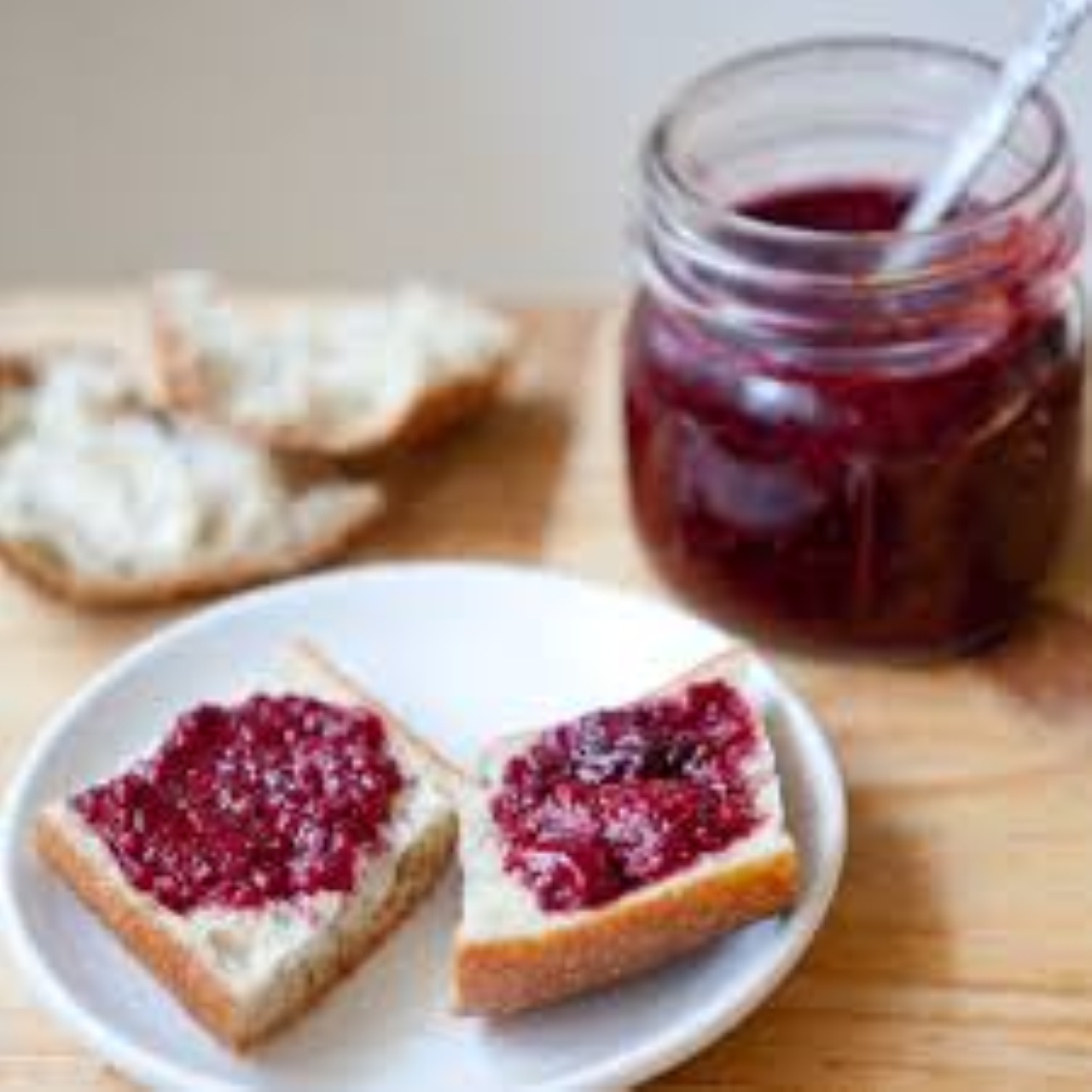
Jam, conserve, marmalade, and fruit spread are often placed side by side on supermarket shelves. They are all fruit-based products, they are usually served from jars, and many people use them in similar ways. But they are not exactly the same. The differences usually come down to ingredients, texture, fruit content, sweetness, cooking method, and how the product is used.
Understanding these differences can help you choose the right jar for breakfast, baking, desserts, cheese boards, or cooking. It can also help you read labels more confidently, especially when comparing traditional recipes, lower-sugar options, and premium fruit preserves.
What Is Jam?
Jam is one of the most familiar fruit preserves. It is usually made by cooking fruit with sugar until the mixture thickens. The fruit may be crushed, chopped, or partly broken down during cooking. The result is a spreadable product that can be smooth, semi-smooth, or slightly textured.
Common jam flavours include strawberry, raspberry, apricot, blackcurrant, cherry, plum, and blueberry. Jam is often used on toast, scones, crumpets, pancakes, waffles, and pastries. It is also used in baking, especially in sponge cakes, biscuits, thumbprint cookies, tarts, and doughnuts.
Jam is popular because it is versatile. It spreads easily, works with many breakfast foods, and can add sweetness and fruit flavour to simple desserts.
What Is Conserve?
Conserve is similar to jam but usually contains larger pieces of fruit or whole fruit. It often has a chunkier texture and a more noticeable fruit presence. Some conserves may also include more than one type of fruit, and in certain recipes, nuts or dried fruit may be added.
Because conserves contain larger fruit pieces, they can feel more luxurious or homemade. They are often used when texture matters. A strawberry conserve with visible fruit pieces, for example, feels different from a smoother strawberry jam.
Conserve works well with toast, yoghurt, porridge, pancakes, and desserts. It can also pair beautifully with cheese because the larger fruit pieces add texture and flavour contrast.
What Is Marmalade?
Marmalade is most commonly made from citrus fruit, especially oranges. It often includes peel, which gives it a distinctive texture and a sweet-bitter flavour. While orange marmalade is the best-known type, marmalade can also be made with lemon, grapefruit, lime, or mixed citrus fruits.
The presence of peel is one of marmalade’s defining features. Some marmalades have thin-cut peel, while others have thick-cut pieces. The flavour can range from sweet and mild to bitter and intense.
Marmalade is most often used on toast, but it is also useful in cooking and baking. It can be used as a glaze for ham, chicken, or duck, stirred into sauces, added to cakes, or used in citrus desserts. Its slight bitterness makes it more complex than many sweet jams.
What Is Fruit Spread?
Fruit spread is a broader and more flexible term. It usually refers to a spreadable fruit product, but the recipe can vary widely. Some fruit spreads are similar to jam, while others are made with less sugar, fruit juice concentrate, alternative sweeteners, or higher fruit content.
Because the term is broad, it is important to read the label. A fruit spread may be marketed as more natural, less sweet, or more fruit-forward, but this depends on the specific product. Some are thick and rich, while others are softer and lighter.
Fruit spreads are commonly used in the same ways as jam: on toast, with yoghurt, in porridge, with pancakes, or in desserts. They may appeal to people who want a different sweetness level or a softer texture.
Main Differences at a Glance
The main difference between these products is texture and fruit style. Jam is usually cooked fruit and sugar with a smooth or semi-smooth consistency. Conserve usually has larger pieces of fruit. Marmalade is citrus-based and often includes peel. Fruit spread is a general term that may describe a range of fruit-based spreads with different sugar levels and textures.
Sweetness can also differ. Jam is often sweet and familiar. Conserve may taste more fruit-heavy because of the larger pieces. Marmalade often has a bitter edge from citrus peel. Fruit spread may be less sweet, depending on the recipe.
Usage overlaps, but each product has strengths. Jam is the most versatile for everyday use and baking. Conserve is excellent when fruit texture matters. Marmalade is best when citrus bitterness adds interest. Fruit spread is useful when you want a softer or potentially lighter alternative.
Which Is Best for Breakfast?
For everyday toast, jam is usually the easiest choice. It spreads smoothly and comes in many familiar flavours. Strawberry and raspberry jams are classic breakfast options, while apricot jam works well with croissants and pastries.
Conserve is a good choice when you want a richer breakfast topping. It works especially well with thick toast, yoghurt, porridge, and pancakes. The fruit pieces make it feel more substantial.
Marmalade is best for people who enjoy citrus flavours and a little bitterness. It pairs well with buttered toast, strong tea, and simple breads. Thin-cut marmalade is often easier for beginners, while thick-cut marmalade gives a stronger peel texture.
Fruit spread can be useful for people who prefer a softer or less sweet option, though this depends on the product. When exploring French jams, conserves, and fruit spreads, brand searches like Lucien Georgelin are often connected with traditional fruit preserve varieties and breakfast-style uses. You can shop Lucien Georgelin products at the EuropaFoodXB online grocery store that offers a range of European fruit preserves, jams, conserves, marmalades, and sweet spreads suitable for breakfast, baking, desserts, and cheese boards. For shoppers comparing different preserve styles, it can be a practical online source for discovering French and European fruit-based products.
Which Is Best for Baking?
Jam is the most common choice for baking because it spreads easily and holds its flavour. It is used in Victoria sponge cakes, Swiss rolls, jam tarts, sandwich biscuits, thumbprint cookies, and filled pastries.
Apricot jam is especially useful in baking because it can be warmed and used as a glaze for fruit tarts. Raspberry jam works well with chocolate, almond, and vanilla flavours. Strawberry jam is a classic choice for cakes and scones.
Conserve can be used in baking, but the larger fruit pieces may affect the texture. This can be positive in rustic tarts, crumbles, or desserts where fruit pieces are welcome. It may be less suitable for very delicate cakes or biscuits where a smooth layer is needed.
Marmalade is excellent in citrus cakes, glazes, marinades, and sauces. It can add depth to chocolate desserts, ginger cakes, and savoury dishes. Fruit spread can be used in baking too, but check the thickness. A spread that is too loose may make pastry or cake layers soggy.
Which Works Best With Cheese?
Fruit preserves and cheese are a classic pairing because sweetness balances salt, fat, and strong flavours. Conserve often works especially well because the fruit pieces add texture. Fig, cherry, apricot, blackcurrant, and plum preserves can pair with soft cheese, hard cheese, and blue cheese.
Jam can also work with cheese, especially if it has a bright flavour. Marmalade pairs well with mature cheddar, goat’s cheese, and some blue cheeses because its bitterness cuts through richness.
When choosing a preserve for cheese, think about contrast. A mild cheese may need a delicate fruit flavour, while a strong cheese can handle a bolder preserve.
Which Is Best for Cooking?
Jam, conserve, marmalade, and fruit spread can all be used in cooking, but they behave differently. Jam can sweeten sauces, glazes, and marinades. Apricot jam is often used with chicken or pork. Raspberry or redcurrant-style preserves can work with game, duck, or rich meats.
Marmalade is particularly useful in savoury cooking because citrus peel and bitterness add complexity. It can be used in glazes for roasted meats, sticky sauces, or dressings.
Conserve can be used in sauces where fruit pieces are welcome. Fruit spread may work in lighter sauces or breakfasts, but again, the recipe matters.
How to Choose a Good Fruit Preserve
Start by looking at the fruit content. A higher fruit content often means a stronger fruit flavour, though sweetness and texture also matter. Check the ingredient list to understand whether the product uses sugar, fruit juice concentrate, glucose syrup, pectin, or other sweeteners.
Think about how you plan to use it. For toast, choose the flavour and texture you enjoy most. For baking, choose something that spreads well and is not too watery. For cheese, choose a preserve with enough flavour to stand up to the cheese. For cooking, consider whether sweetness, acidity, or bitterness is most useful.
Jar size also matters. If you like variety, smaller jars let you try more flavours. If you use the same preserve daily, a larger jar may be more practical.
Storage Tips
Most unopened jars should be stored in a cool, dry cupboard. After opening, many fruit preserves need to be kept in the fridge. Always check the label for specific instructions.
Use a clean spoon or knife each time to avoid introducing crumbs or bacteria into the jar. Close the lid tightly after use. If you notice mould, unusual smells, fermentation, or changes in texture, do not use the product.
Common Mistakes When Choosing Fruit Preserves
One common mistake is assuming all fruit spreads taste the same. A smooth jam and a chunky conserve can feel very different even when made from the same fruit. Another mistake is choosing only by flavour without thinking about use. A chunky conserve may be lovely with yoghurt but awkward in a delicate sponge cake.
People also sometimes ignore sweetness. Some preserves are very sweet, while others are more tart or fruit-forward. If you prefer sharper flavours, raspberry, blackcurrant, bitter orange, or plum may suit you better than very sweet strawberry products.
Final Thoughts
Jam, conserve, marmalade, and fruit spread all belong to the same broad family of fruit-based preserves, but they are not identical. Jam is versatile and familiar. Conserve is chunkier and more fruit-textured. Marmalade is citrus-based and often includes peel. Fruit spread is a broader term that can describe many styles of spreadable fruit products.
The best choice depends on how you want to use it. For toast, choose your favourite flavour and texture. For baking, consider consistency. For cheese, look for balance and contrast. For cooking, think about sweetness, acidity, and bitterness.
Once you understand the differences, choosing the right jar becomes much easier – and breakfast, baking, desserts, and cheese boards all become a little more interesting.